

There’s something curious that happens every time a new car game promises a great story. For a few seconds, we want to believe. We want to imagine that this time it really will be different. That we won’t simply be facing another collection of races stitched together by cinematic scenes, but rather an adventure where it genuinely matters who the characters are, what is happening, and why we keep pushing forward.
Then comes the actual experience. A spectacular introduction, a seemingly interesting conflict, several characters presented with great solemnity and, all of a sudden, twenty hours of races, side events, and scattered activities that end up turning that promising story into a distant memory. It doesn’t disappear entirely, but it gets relegated to the background while the game focuses on what it has traditionally done best: putting us behind the wheel and keeping us driving.
That’s why what Clutch, the new project from Maverick Games, is proposing is so interesting. Not because it’s an open-world game, since that no longer surprises anyone. Nor because it includes legal races, street trials, or police chases. What’s truly striking is that those behind it insist over and over that the narrative isn’t a complement to the experience, but rather the center around which everything else revolves.
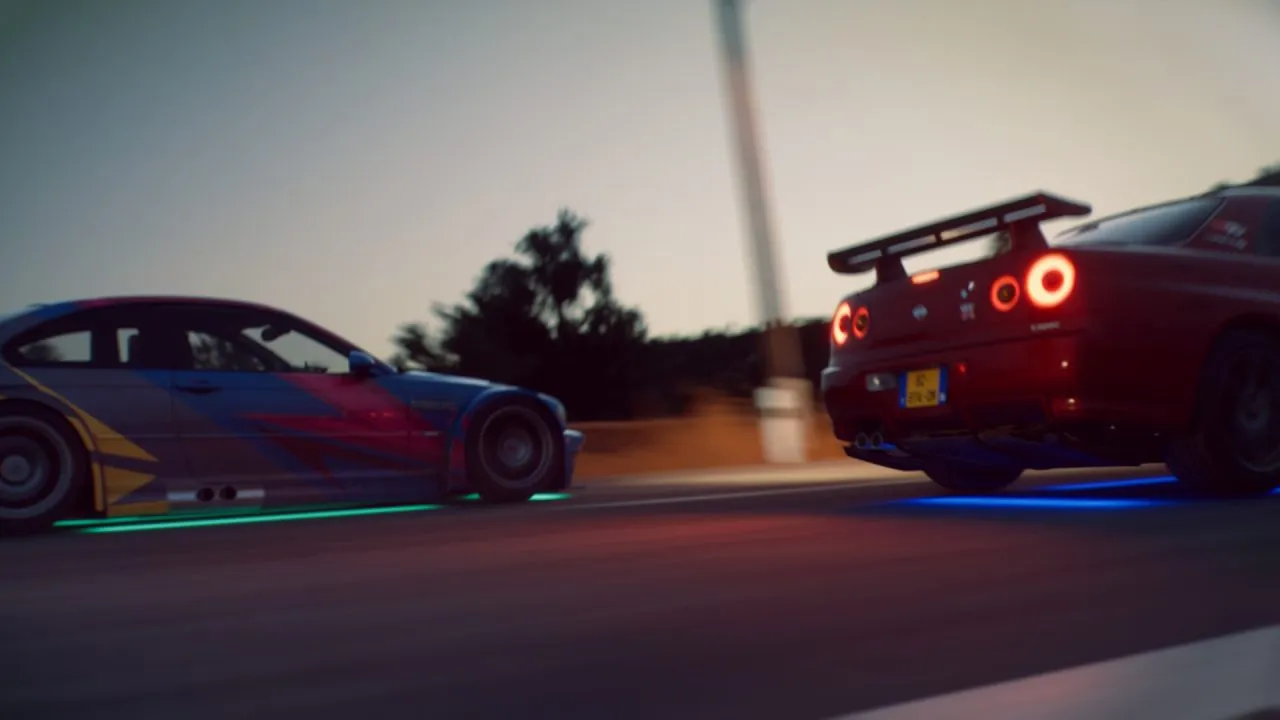
And that’s where the comparison with a franchise that has spent years trying to solve the very same puzzle inevitably appears: Need for Speed. The franchise’s most fondly remembered installments aren’t necessarily the ones with the most vehicles or the biggest maps. They’re the ones that managed to create specific moments that stuck in the memory. A particularly intense chase. An unexpected betrayal. A rival who seemed impossible to defeat. Situations that gave context to the races and turned them into something more than mere tests of skill.
However, even at its best, the franchise never fully solved the problem. The story was there, but it often seemed to exist in separate compartments. There were narrative scenes and there were races, but the two rarely blended together naturally. The player would advance for hours, piling up victories and money while the plot remained frozen, waiting patiently until the next cinematic sequence.
It was an effective formula, but also a limited one. The narrative served to justify progression, not to be part of it.
Clutch’s real enemy isn’t the competition
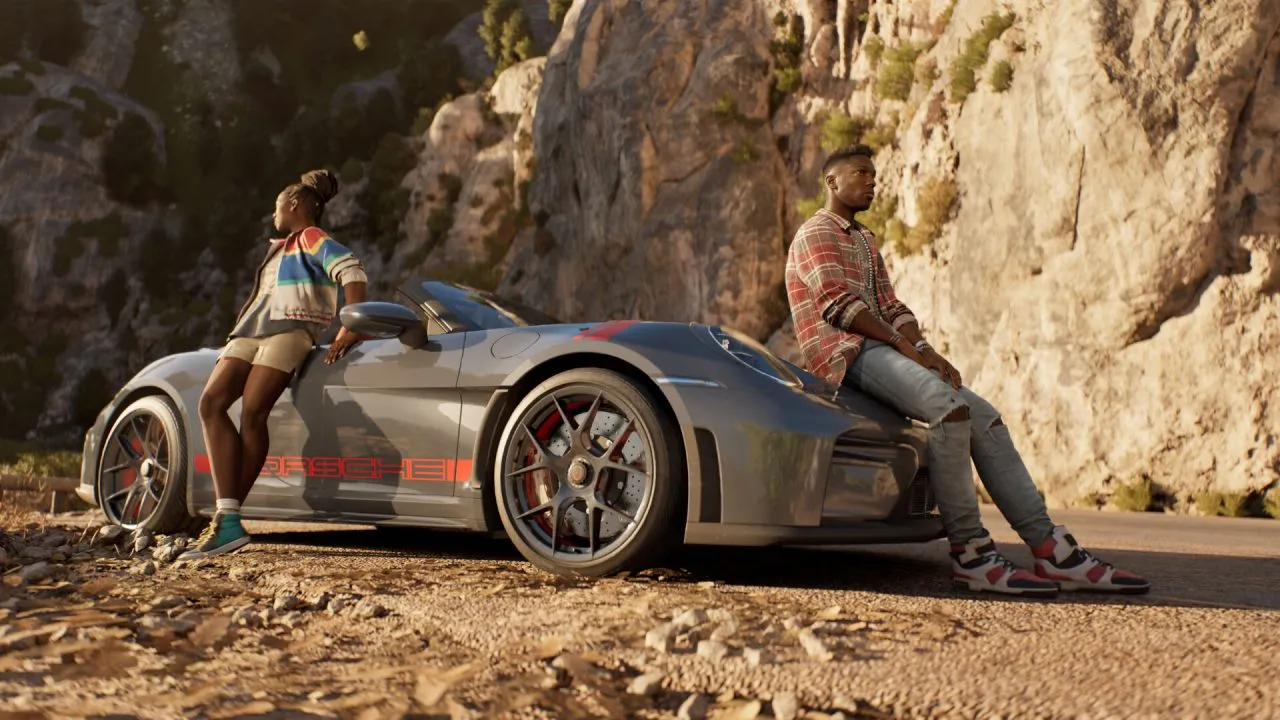
What Clutch proposes on paper sounds appealing. The story revolves around siblings Theo and Cléo Martial, two drivers who move between two completely different worlds. On one side there’s the R1K Riviera, a prestigious competition with decades of history and strict rules. On the other appears the Midnight Collective, an underground scene where reputation matters more than any rulebook.
Between these two settings unfolds a plot that promises mysteries, conflicts, and a more elaborate narrative progression than usual. The problem is that the main obstacle to fulfilling that promise isn’t Forza Horizon, The Crew, or any other competitor. The real enemy is the very concept of the open world. Because freedom and narrative are rarely good traveling companions.
A story needs pacing. It needs urgency. It needs events to have consequences. An open world, by contrast, constantly invites you to stray from the main path. To explore. To waste time. To take part in side activities simply because they’re there. It’s a contradiction that has been chasing the industry for years. When a plot tells us we’re in the middle of a critical situation but the game lets us spend three hours decorating cars or completing optional challenges, the immersion starts to crack.
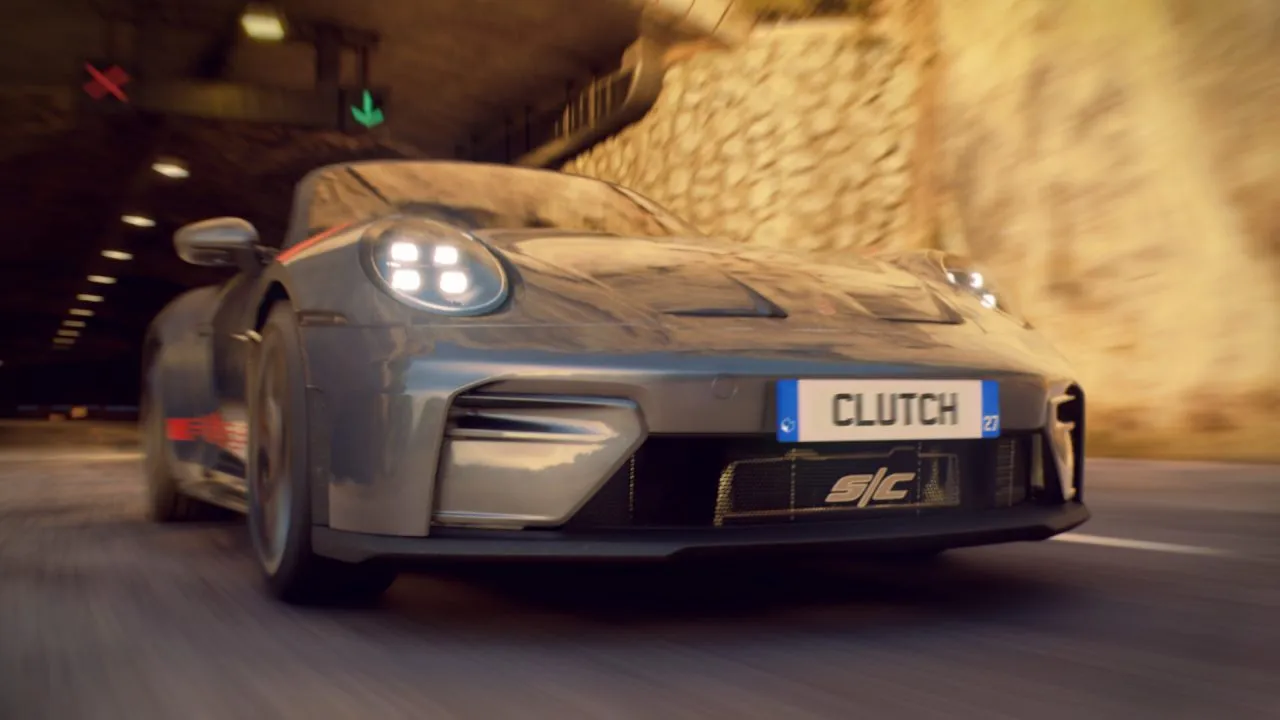
That’s why what Clutch is trying to achieve is so difficult. Writing an interesting story isn’t enough. You have to find a way for it to remain important even when the player decides to ignore it temporarily.
Among all the information published so far, there’s one detail that might seem secondary but that could actually make an enormous difference. Maverick Games talks constantly about customization, identity, and connection with the vehicles. At first glance it seems like another piece of standard marketing talk, one more among the many we hear before the launch of any driving game. However, if taken to its logical conclusion, it could become one of the pillars of the experience.
One of the big problems with many modern games is that cars have lost their emotional value. They’re obtained far too easily. They’re constantly replaced. They pile up in giant garages to the point where they stop having any personality. Sometimes it feels like we’re collecting trading cards rather than building a career.
Clutch has the opportunity to do something different. If it really commits to a strong narrative, the vehicles should be part of it. Not as disposable tools, but as important elements of the journey. Cars that tell a story of their own. Vehicles we remember because they were with us during specific moments of the adventure, and not simply because they had better stats than the previous one. It may seem like a minor detail, but that’s precisely where many games have failed for years.
The importance of keeping your feet on the ground
That said, it’s worth maintaining a healthy dose of skepticism. The video game industry is full of projects that seemed revolutionary during their reveal. Impressive trailers, ambitious promises, and statements that suggested a bright future. Then came reality, far more complicated and far less spectacular.
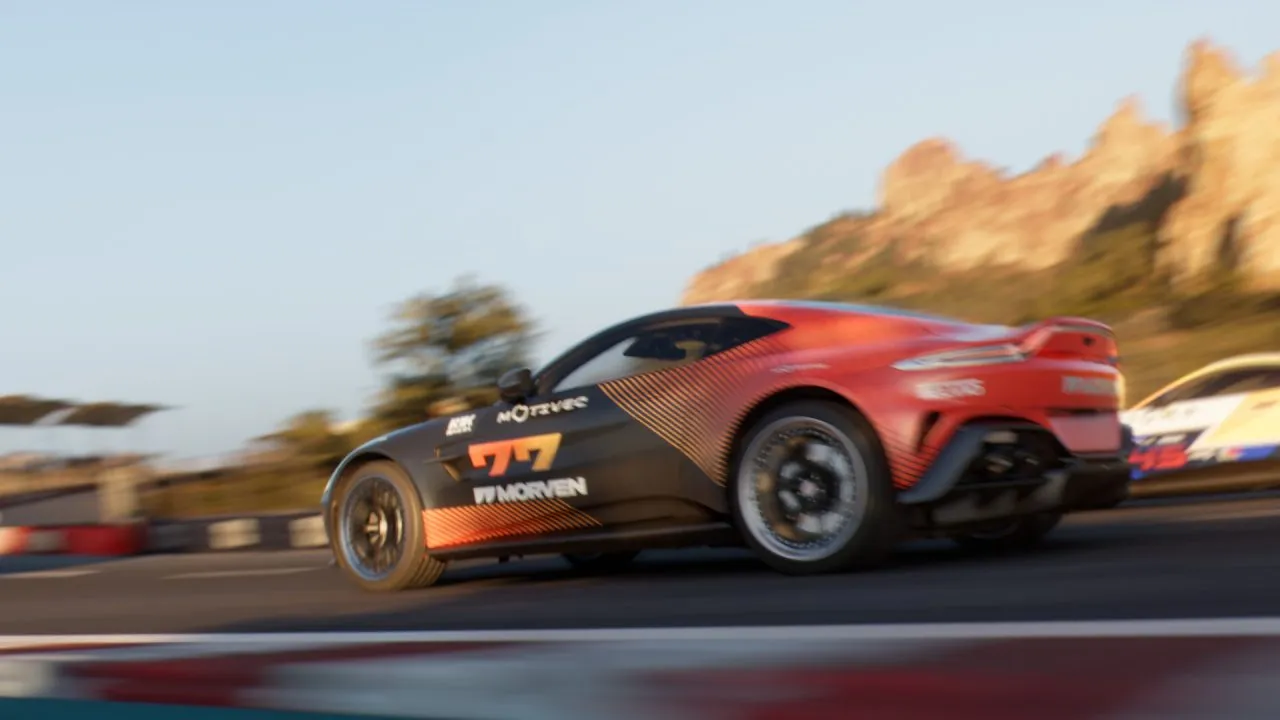
Clutch brings together several ingredients that have historically generated enormous expectations: an ambitious open world, a studio made up of veterans from very well-known franchises, and a message that talks about breaking the mold within the genre. It doesn’t mean it’s going to fail. Nor does it mean it’s going to succeed. It simply means we’re still at the stage where everything seems possible.
The real test will come when we see how all these ideas behave together. When we find out whether the narrative truly accompanies the player throughout the entire adventure, or whether it ends up becoming an intermittent presence that appears only when the campaign needs to remind us it exists.
Perhaps the biggest mistake would be expecting Clutch to reinvent driving games. At this point, probably no one can do that. What it can achieve is something far more valuable and far more difficult: properly executing an idea that has spent years trying to find its definitive form.
See you on the track!
This website uses affiliate links which may earn a commission at no additional cost to you.