
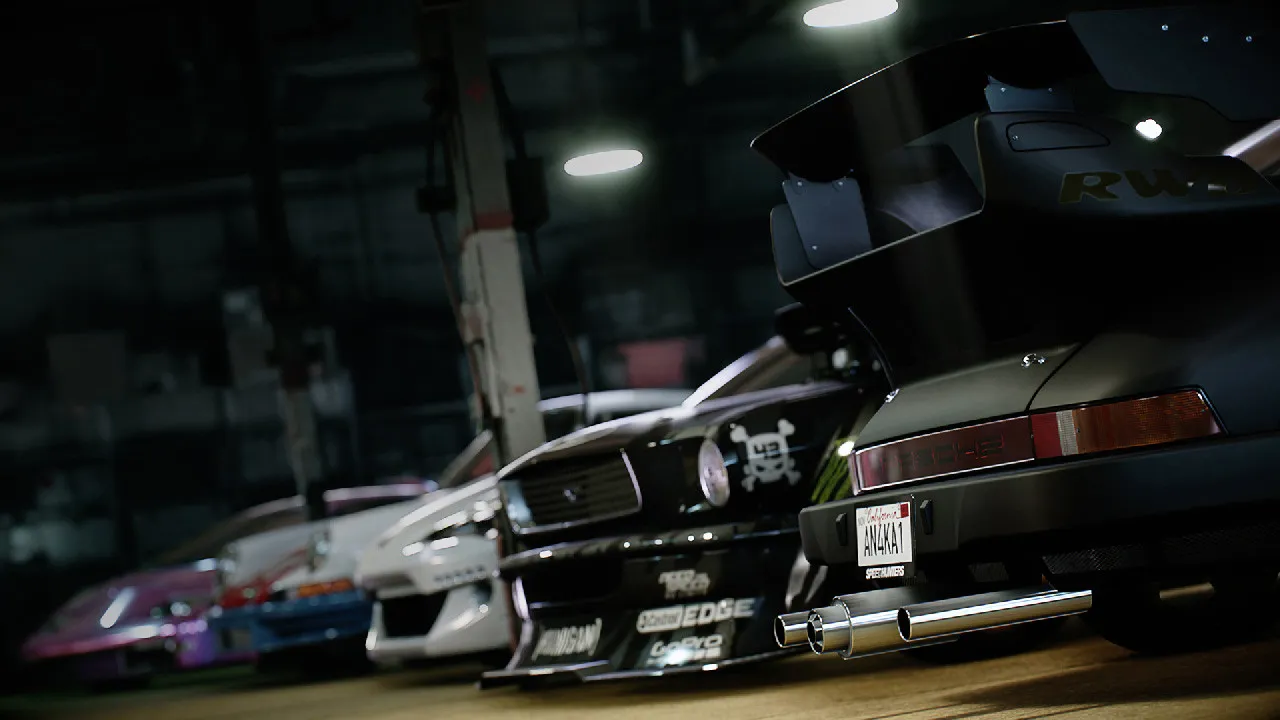

Electronic Arts has not officially announced the death of Need for Speed, but its decisions say far more than any press release could. Criterion Games, the British studio associated for decades with speed, police chases, and impossible crashes, is celebrating its thirtieth anniversary transformed into “a Battlefield studio.” Its leadership has made it clear that the team is focused exclusively on the military franchise. The nuance matters: this is not a temporary collaboration, but a corporate redefinition that erases the company’s past from the shop window.
The image is hard to ignore. Criterion created Burnout, modernized Need for Speed with Hot Pursuit, and returned to the franchise with Unbound in 2022. It then kept the game alive through updates until February 2025, when EA confirmed the end of that content cycle. Since then, there has been no new installment announced and no lead studio publicly working on one. The earlier promise to bring the series back “in new ways” has been left hanging while the meaningful resources point toward Battlefield.
That does not mean EA has signed a death certificate. It means something far more common in today’s industry: keeping a brand without funding the video game that should keep it alive. The intellectual property still holds accounting, commercial, and nostalgic value. Development, on the other hand, demands years of work, specialized teams, and a level of risk that major publishers seem increasingly unwilling to take on when there is no guarantee of prolonged monetization.
Burnout, a Franchise Turned Museum Piece
The case of Burnout is even more severe. The saga that turned the car crash into a spectacle and aggressive driving into a precision mechanic has gone nearly two decades without a major original installment. Burnout Paradise arrived in 2008, received a remaster in 2018, and later made its way to Nintendo Switch, but EA never used that return to rebuild the series. The name remains available in stores; the franchise, as a creative project, remains frozen.
The loss is not merely sentimental. Burnout 3: Takedown and Burnout Revenge occupied a space that has practically disappeared: immediate, violent, accessible racing designed around intense sessions, not gigantic maps or reward calendars. These were games with a mechanical identity recognizable from the very first minute. Boost was fueled by risk, takedowns changed the course of every race, and crashes were part of the playable language, not a penalty that forced a restart.
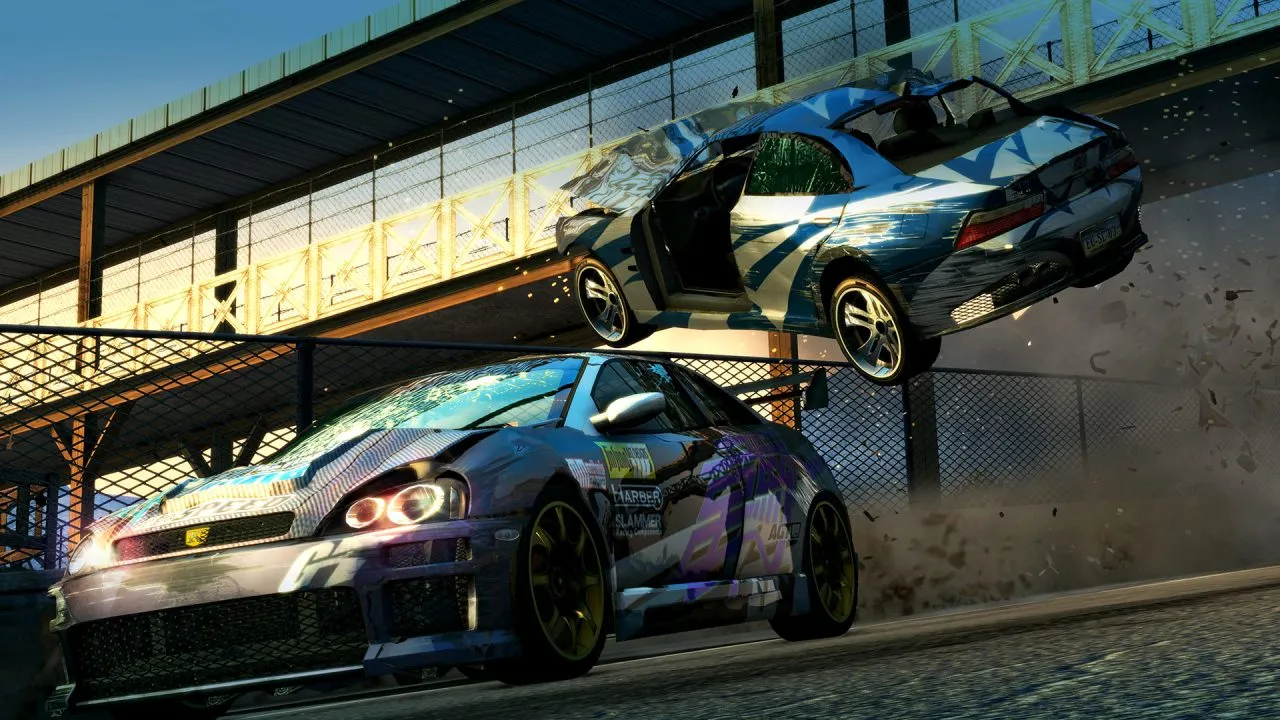
EA has not found a substitute for that formula, probably because it is not looking for one. The driving market has split between specialized simulation, long-lifespan open worlds, and sports licenses. In that division, pure arcade racing seems too small a category for the expectations of a multinational, even though interest in direct, contained, spectacular experiences still exists.
The paradox is obvious: Burnout did not disappear because its formula stopped working, but because it stopped fitting the financial scale of its owner.
Codemasters Confirms This Is No Isolated Accident
Criterion’s withdrawal could be read as an emergency tied to Battlefield. What happened with Codemasters proves it is part of a broader trend. EA bought the studio to strengthen its dominance in driving games, but its catalog has been steadily narrowing. In April 2025, the company paused plans for future rally titles after EA Sports WRC. The decision closed, at least temporarily, a tradition that traced back to Colin McRae Rally and DiRT.
Formula 1 has not escaped the restructuring either. Instead of publishing F1 26 as a standalone game, EA turned the 2026 season into a paid expansion for F1 25, while preparing a “reimagined” installment for 2027. The move can be justified by the championship’s sweeping regulatory changes, but it also fits a clear commercial logic: extending an existing platform costs less than launching another complete product and allows revenue to keep flowing between major releases.
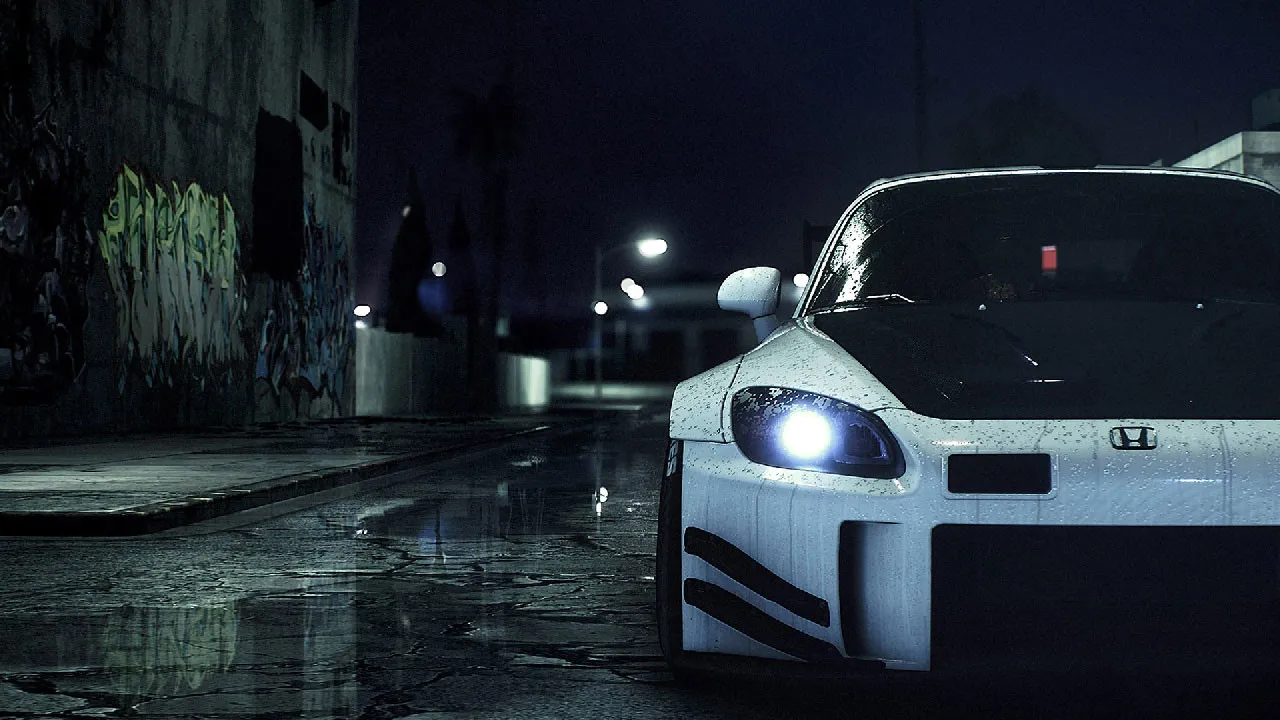
The result is a company that owns Need for Speed, Burnout, DiRT, GRID, WRC, and F1, yet actively maintains an ever-shrinking portion of that heritage. This concentration does not create a racing empire. It creates a collection of brands on standby, dependent on some financial forecast deciding they are big enough again.
Battlefield Gains Talent, Racing Loses Its Memory
The bet on Battlefield has a corporate explanation. EA brought Criterion, DICE, Motive, and Ripple Effect together within a joint structure to lift one of its priority franchises. Battlefield 6 achieved the biggest launch in the series’ history, according to the company itself, surpassing seven million copies sold in three days. Months later, the studios tied to the project, including Criterion, suffered staff cuts.
That contrast captures the model with precision. Teams are concentrated around one enormous product, the launch is presented as an event, and once the maintenance phase begins, the structure is adjusted again. From a spreadsheet, it may look efficient. From a design perspective, it means dismantling creative cores that took years to master physics, speed, artificial intelligence, track design, and the feel of impact.
Added to that pressure is the agreement to sell EA for 55 billion dollars to a consortium formed by PIF, Silver Lake, and Affinity Partners. The deal, still pending regulatory approval as of July 2026, includes approximately 20 billion in debt financing. It cannot be claimed that this acquisition is the direct cause of every cancellation, but it does raise the importance of predictable cash flow, major franchises, and recurring revenue.
Electronic Arts has not destroyed Need for Speed and Burnout through a solemn announcement. It has done so in the most corporate way possible: pulling teams away, closing content cycles, concentrating investment, and leaving the brands intact so as not to lose their value. Criterion keeps the name, but it no longer builds the things that made that name a benchmark.
Somewhere in an EA office, the logos, the cars, and the cities must still be filed away. What is no longer parked there is a team with permission to hit the gas.
This website uses affiliate links which may earn a commission at no additional cost to you.