
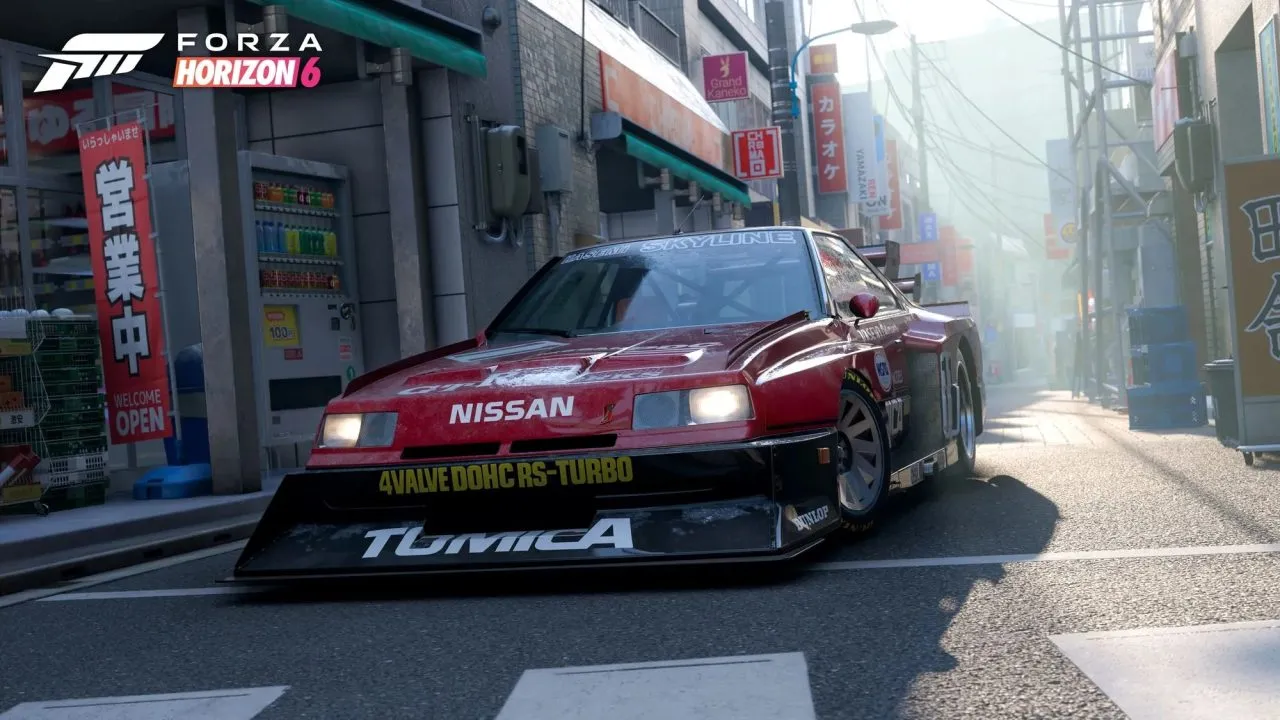

Forza Horizon 6 finally takes the series to Japan, and it does so in a big way. At the center of this new map is a massive city clearly inspired by Tokyo — a dense, neon-lit playground that blends real-world locations with Horizon’s signature arcade freedom.
This isn’t a 1:1 recreation, but it doesn’t need to be. What Playground Games has built feels like Tokyo through the lens of car culture: fast, vibrant, and packed with iconic sights at every turn.
A City That Feels Like Tokyo
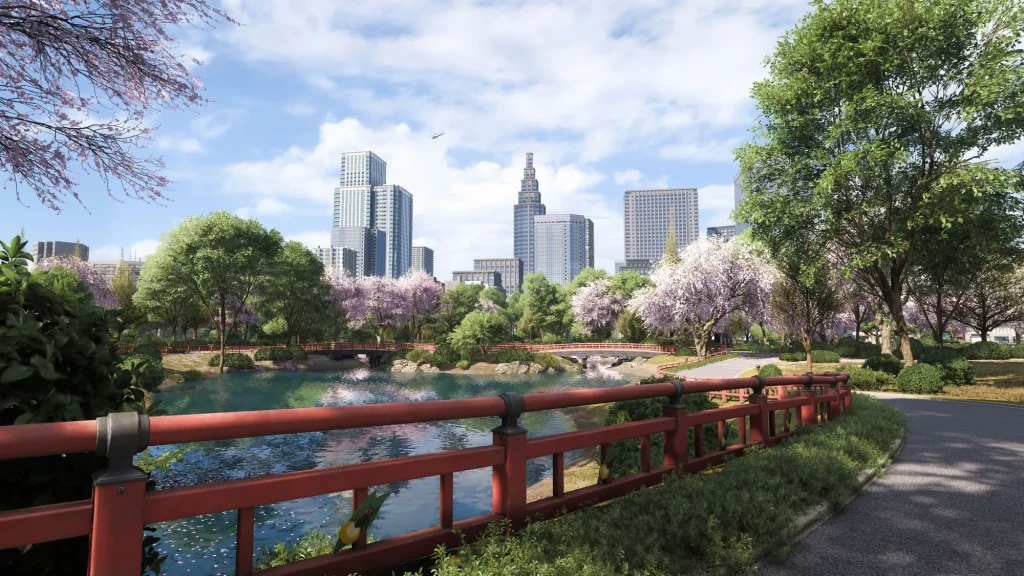
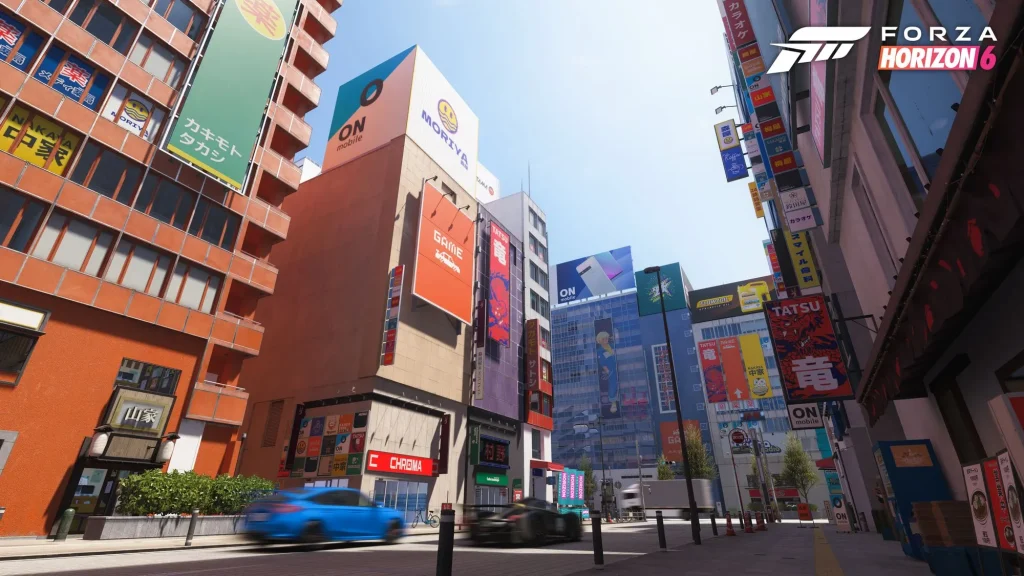
The urban area in Forza Horizon 6 captures the essence of Tokyo rather than replicating it exactly. Expect tight streets, glowing billboards, layered highways, and a constant contrast between modern districts and quieter neighborhoods.
The layout is clearly designed for gameplay first — long straights for high-speed runs, technical sections for drifting, and verticality everywhere thanks to overpasses, tunnels, and elevated expressways.
It’s a city built to be driven, not just admired.
Recognizable Landmarks and Real Inspirations
Even though the map is fictionalized, many locations are heavily inspired by real Tokyo landmarks and districts. If you’re familiar with the city — or even just its pop culture presence — you’ll start recognizing them almost immediately.
- Shibuya Crossing – The chaotic, world-famous intersection that perfectly represents Tokyo’s energy.
- Tokyo Tower – A classic landmark dominating the skyline, especially striking at night.
- Tokyo Skytree – A modern counterpart to Tokyo Tower, towering over the city as a futuristic centerpiece.
- Rainbow Bridge – A scenic suspension bridge over Tokyo Bay, ideal for high-speed night runs.
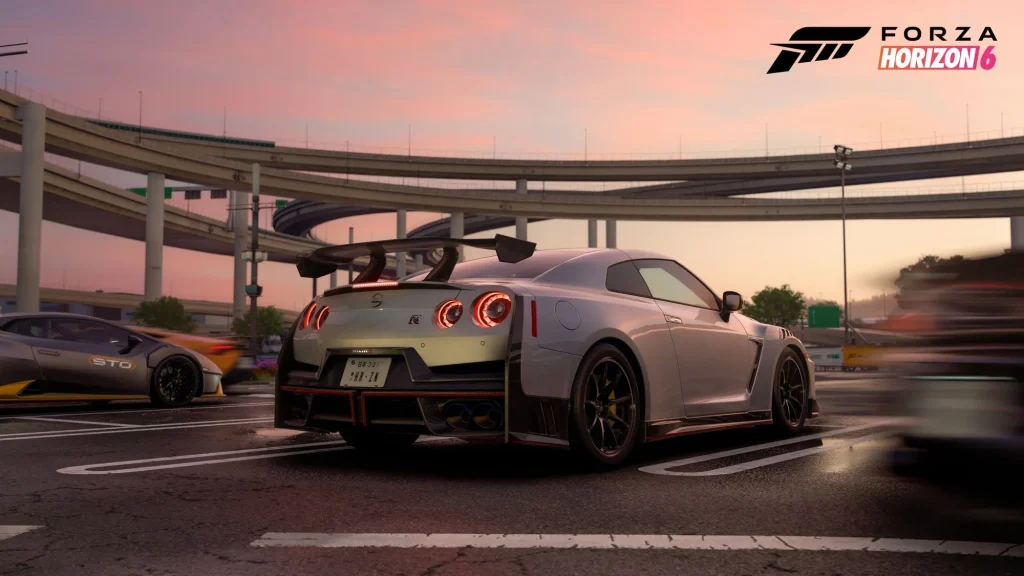
- Shuto Expressway (Wangan-style highways) – High-speed urban routes clearly inspired by Tokyo’s legendary highway system and street racing scene.
- Daikoku Parking Area (inspired) – A must-have for car culture fans, echoing the real-life gathering spot for JDM enthusiasts.
- Akihabara – Neon lights, dense streets, and unmistakable electronic district vibes.
- Ginza – Cleaner, wider roads surrounded by modern architecture and luxury storefronts.
- Omotesando – A more refined, tree-lined avenue that contrasts with the chaos of downtown areas.
- Tokyo Bay Waterfront – Industrial zones and open coastal roads that add variety and breathing space to the map.
None of these are exact replicas, but together they create something that unmistakably feels like Tokyo — especially when combined with traffic, lighting, and weather effects.
The Biggest City in Horizon History
Forza Horizon 6 doesn’t just introduce a new setting — it scales everything up.
The Tokyo-inspired city is easily the largest urban environment ever seen in the franchise, significantly bigger than cities in previous entries. But more importantly, it’s denser and more vertical.
You’re not just driving across a map — you’re navigating layers of it.
- Multi-level highways and interchanges
- Underground tunnels
- Tight alleyways and side streets
- Wide boulevards for high-speed racing
Outside the city, the map expands into mountains, rural areas, and coastal roads, creating a huge contrast in driving styles — from technical touge drifting to flat-out highway racing.
What You Can Do in the City
This isn’t just a backdrop — the city is a core part of the gameplay loop, and it’s packed with activities.
- Street Racing – High-speed events through traffic-heavy urban routes
- Drift Zones – Perfectly suited for tight corners and mountain-inspired roads
- Highway Runs – Long, uninterrupted sections built for top-speed cars
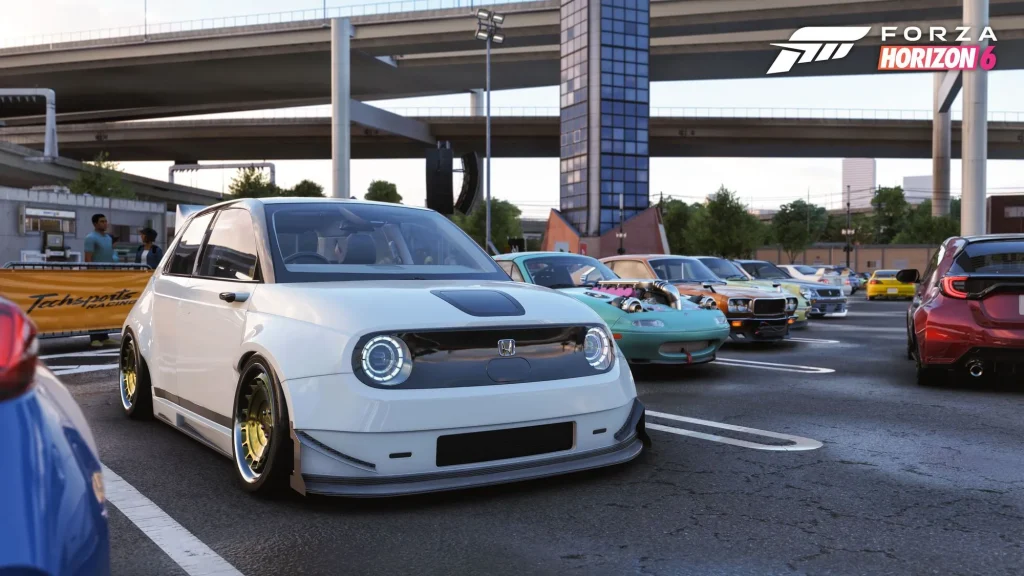
- Car Meets – Social hubs inspired by real-life gathering spots like Daikoku
- Exploration – Hundreds of roads to discover, with a fog-of-war system revealing the map
- Custom Events – Players can create and share races anywhere in the city
The return of progression systems also means you’ll gradually unlock more of the experience, giving you reasons to revisit different parts of the city.
A Love Letter to Japanese Car Culture
More than anything, this version of Tokyo feels like a celebration of Japanese car culture.
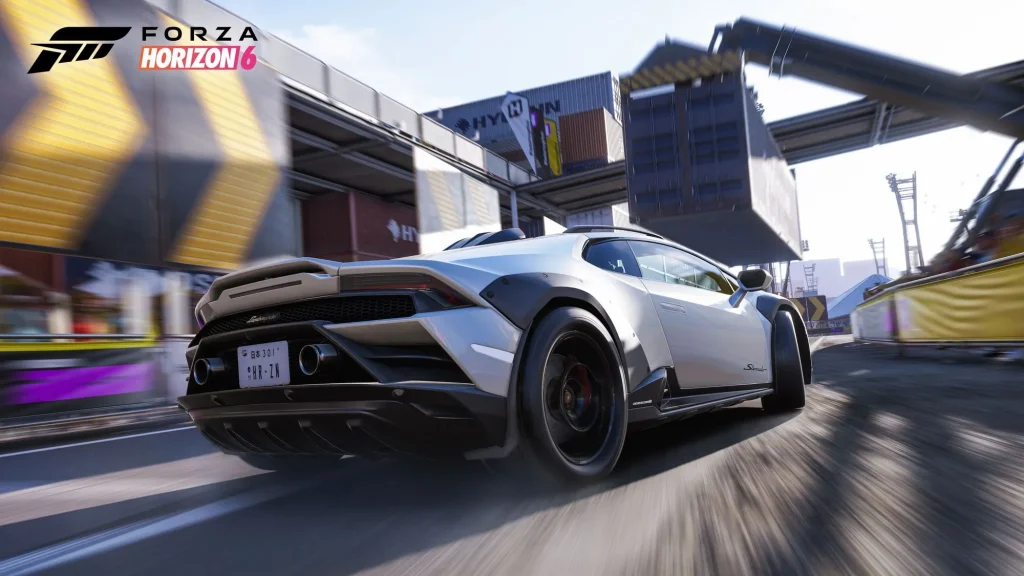
From neon-lit street racing vibes to highway runs inspired by the Wangan scene, everything about the city reinforces that identity. Pair that with a strong lineup of Japanese cars, and the experience starts to feel like something fans have been waiting for years.
Final Thoughts
After spending time with the city, what stands out isn’t just the scale — it’s how easy it is to get lost in it. One minute you’re blasting down a highway, the next you’re cutting through side streets or ending up somewhere you didn’t plan to go.
The Tokyo inspiration is obvious, but it never feels restrictive. It’s more like a playground built around everything people imagine when they think about driving in Japan — highways, neon lights, tight corners, and car culture everywhere.
How it all holds up long-term will depend on how much variety the events and online features bring, but as a setting alone, this is probably the most interesting city Horizon has done so far.
And honestly, it’s the kind of map where you’ll probably spend a lot of time just driving around without a plan — which is usually a good sign.
You can purchase the game on Instant Gaming with a discount:
And you can buy official peripherals on Amazon:
This website uses affiliate links which may earn a commission at no additional cost to you.