

Over the past decade or so, Formula 1 racing has burst onto the mainstream, exponentially growing in popularity. Less talked about, however, is its electric-vehicle sister: Formula E racing, or as the sponsorship gurus may know it, ABB FIA Formula E World Championship.
Debuting in 2014, Formula E doesn’t have the following amassed by traditional Formula 1 racing. This is not to say it has struggled to gain popularity. On the contrary, Formula E has progressively collected more eyeballs with each passing season, and as the folks over at Online Sports Betting note, it has also become a more frequent draw at most sportsbooks.
Granted, Formula E’s success is easier to measure through milestones. Its biggest to date came in 2020, when it became officially recognized with FIA World Championship status.
Since then, it has racked up more medium-sized victories. More people are watching it. Bigger sponsors are flocking to it. Drivers and teams have seen increases in compensation. So on and so forth.
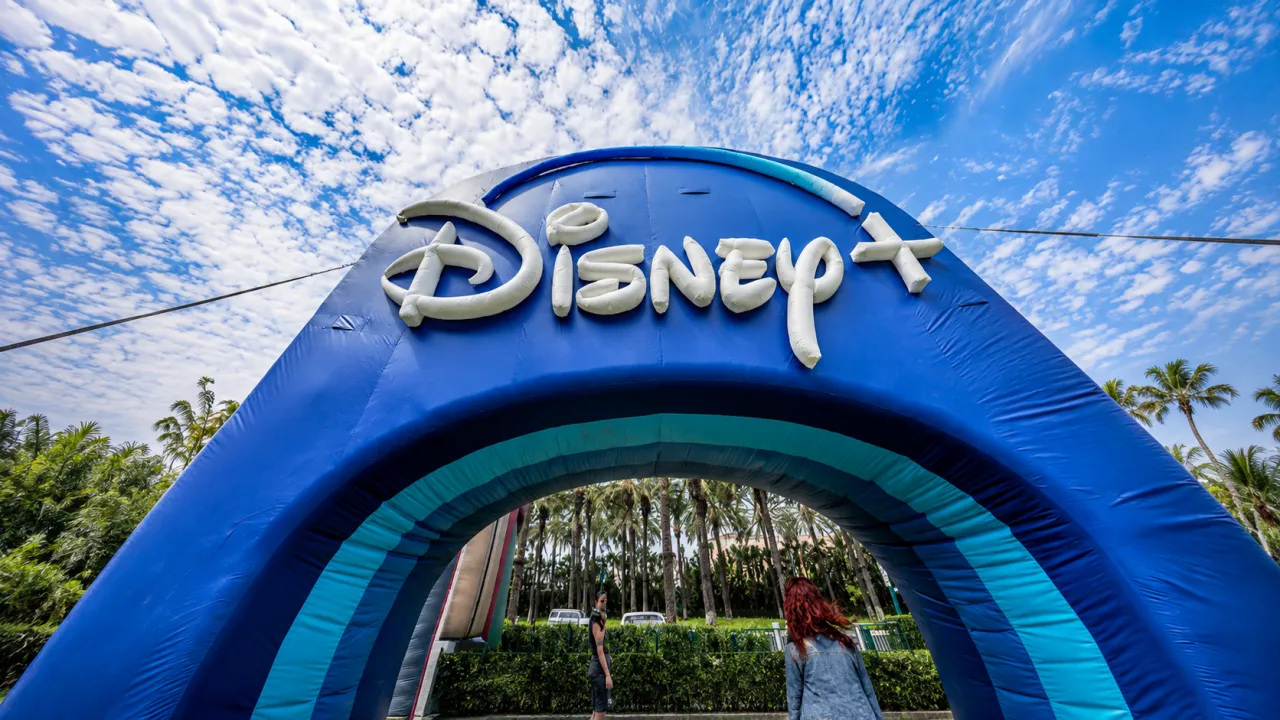
Now, however, Formula E has secured its next big monster step forward: signing a global streaming rights deal with Disney+ and ESPN+.
Formula E’s Deal with Disney will Dramatically Expands Its Reach
Landing any sort of streaming deal with a goliath like Disney, the parent company of the worldwide leader in sports (ESPN) is without question a huge benchmark for the sport. No, this will not put any Formula E races on broadcast (or cable) television. But it will make the electric racing series accessible to people in more than 140 territories.
Here are more details on the agreement, courtesy of CE-Sphere Staff over at Yahoo Sports:
“In the United States, races will stream on both Disney+ and ESPN+, giving American viewers two entry points into the championship. The deal preserves flexibility for the league in individual markets. According to Variety, it allows Formula E to maintain local broadcast television agreements in certain territories… Disney+ plans to carry 21 rounds across 13 racing events, opening on December 18 in Saudi Arabia. Additional stops on the calendar include Miami, Monaco and Mexico City, spanning the international footprint that has defined the series since its debut.”
Latching on with Disney+ will presumably mark the end of Formula E’s partnership with Roku, which had seemingly increased its commitment to racing over the past few years. Their latest deal, which was struck with Roku parent company Paramount, made races available to stream on numerous apps, while also putting five contests on live CBS television networks over the course of each season.
Formula E’s new package with Disney+ doesn’t just mark a broadcast switch, either. It apparently includes plans to expand content. According to Dominick Wilde of Racer, Disney+ also has plans to air “every practice and qualifying session, as well as dedicated preview and review shows, race highlights, analysis, and behind-the-scenes content.” This structure goes above and beyond the Formula E documentary/docuseries that existed under the Roku umbrella.
Media Properties Continue to Bet Big on Live Motorsports
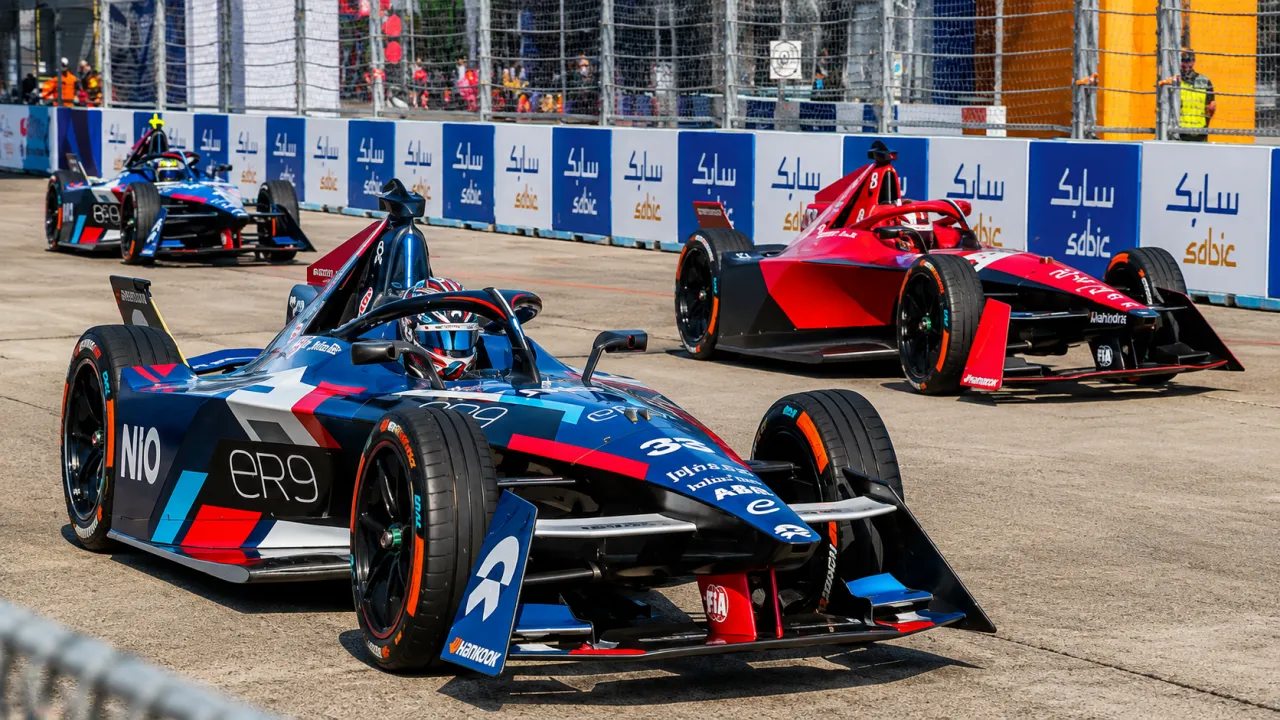
It is no coincidence that Formula E has crescendoed in popularity as Formula 1 becomes an international institution. Though the exact terms of the deal with Disney+ aren’t yet known, the value of the Formula E broadcasts has clearly skyrocketed.
Much of the same can be said across all major live sports. Regional television networks are struggling to remain afloat, if not outright folding, but legacy media properties and their contemporary platforms (i.e. streaming hubs) continue to invest lucratively in airing them. This is not a cognitively dissonant scheme, even if it might seem so on the surface. It is instead a nod to the lack of other appointment-viewing.
Think about it. Nobody gathers around the TV at the same time every week to watch a specific entertainment show or movie. Almost everything is available on-demand. You stream it at your convenience, on the device of your choosing. Even lucrative properties like Apple TV’s Severance and Netflix’s Stranger Things don’t necessitate being in front of the tube at a specific time. People might watch an episode within the first 24 to 48 hours of its release, but that’s a huge difference from marking down the same uniform hour.
Live sports are different. Sure, people can revisit them at a later time. But the outcomes are unscripted and lose luster on playback. Live sports, in short, still create appointment-viewing windows.
That is why you see broadcast-rights deals grow with each agreement. Yet, while many focus on the packages brokered by the NFL, MLB, NBA, NHL, various soccer leagues and the like, media companies have not-so-subtly started pushing more aggressively for motorsports deals.
Look no further than Formula 1 as an example. It bailed on a partnership with ESPN to make a more lucrative jump to Apple TV, which has invested heavily in the F1 series specifically. There is no doubt that chain of events led Disney to go after Formula E as a pseudo replacement.
Whether this still-growing interest in racing continues remains to be seen. If Formula E’s latest step forward is any indication, though, there’s a chance this surge in popularity may only just be beginning.
This website uses affiliate links which may earn a commission at no additional cost to you.