

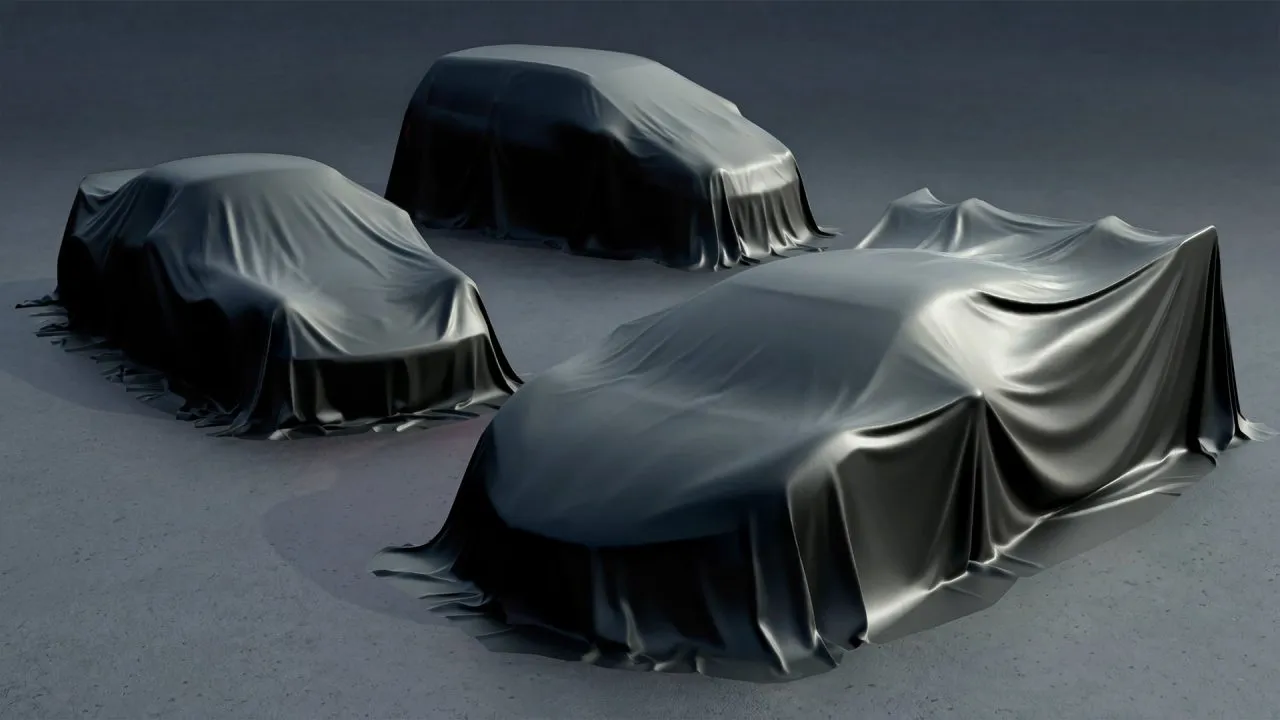

There is something almost theatrical about the way Kazunori Yamauchi presents each Gran Turismo 7 update. It is not a straightforward announcement, a technical list, or even a conventional trailer. It is more like a carefully constructed scene: three cars hidden beneath sheets, an ambiguous image, and millions of players leaning toward their screens as if they had suddenly become aerodynamics experts.
That small pre-launch ritual expected around April 23 says far more than it seems. It does not just tease content; it activates something more human: curiosity, speculation, and that almost childlike need to guess before the answer is given.
Among the three silhouettes, one does not try very hard to hide. Its front end is recognizable, almost defiant, as though it knows its identity cannot be concealed. It is the Yangwang U9 Xtreme, BYD Auto’s most radical offering. Talking about this car means abandoning any everyday frame of reference: its 2,977 horsepower cannot simply be explained it must be absorbed.
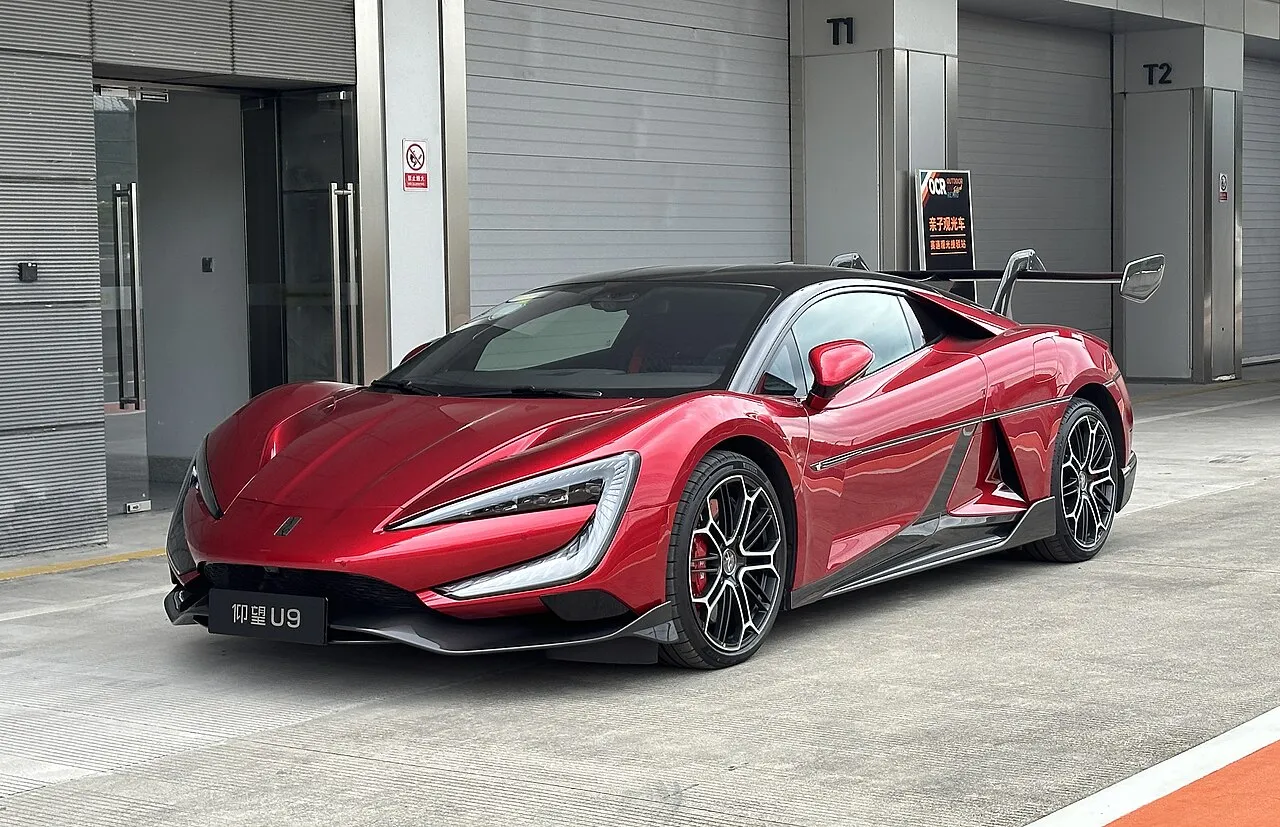
That figure stops being a technical detail and becomes a narrative, a tangible exaggeration, a kind of provocation aimed at the limits of modern engineering. Its configuration of four independent motors and a suspension system capable of making the vehicle jump redefines what a car can actually do. It is not merely fast; it is conceptually different. And, curiously, it was the only one of the three that players expected to see, as if even within the extraordinary there is still room for the predictable.
The second car presents an entirely different situation. Its silhouette is clear, unmistakable in its essence, yet deeply ambiguous in its specific identity. A Porsche 911 of the 964 generation is, in itself, a broad category almost a universe of its own within motorsport. And therein lies the challenge: recognizing the shape is straightforward; identifying the exact variant is another matter entirely.
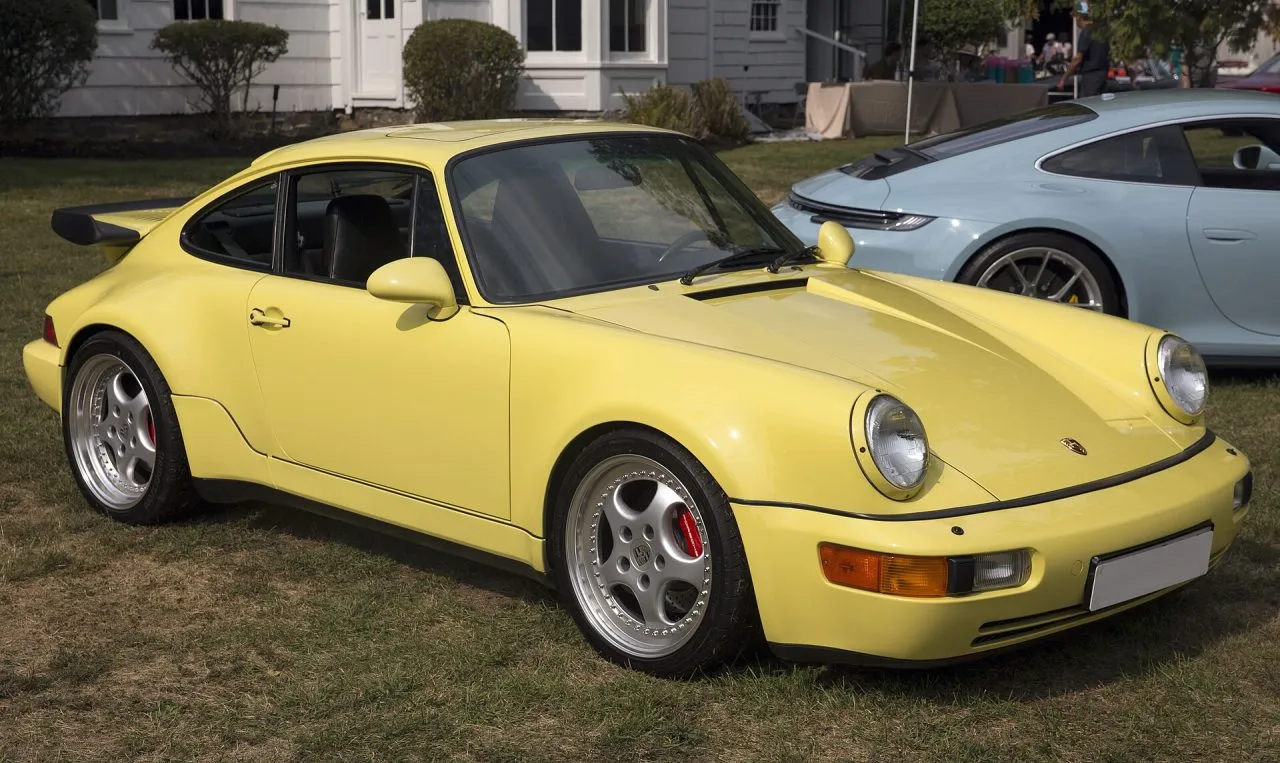
It could be a classic Turbo, a lighter derivative, or even a reinterpretation from RUF Automobile, whose recent relationship with the franchise adds an extra layer of intrigue. This ambiguity is not a flaw but a device. It demands closer attention, invites debate, and projects expectations. Rather than offering an immediate answer, the game proposes an open conversation, where every detail a curve, a proportion, a shadow becomes an argument.
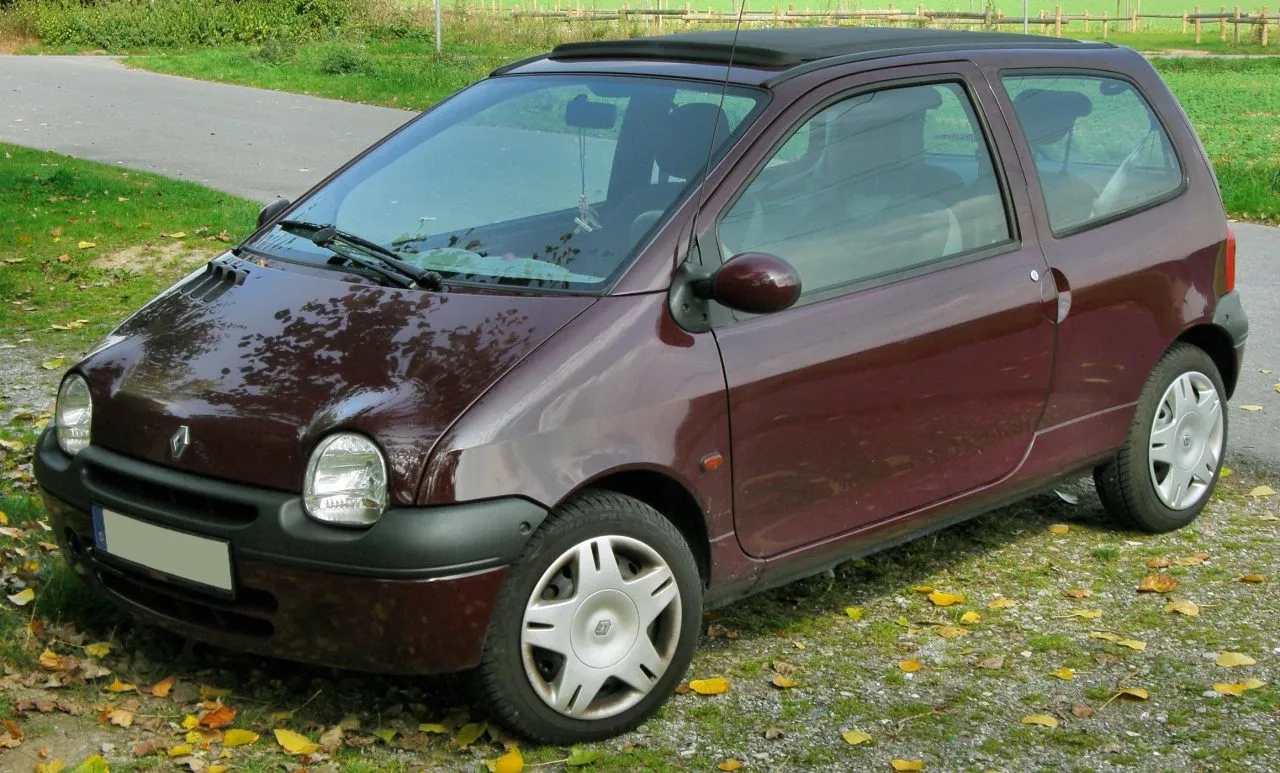
The third car breaks entirely with the logic of the other two. Where one embodies excess and the other a reinterpreted tradition, this one stands for simplicity. The original Renault Twingo appears as an unexpected choice, almost ironic within a lineup dominated by enormous figures. With outputs ranging between 58 and 75 horsepower, its presence might seem anecdotal, but in reality it introduces a necessary balance.
Not everything in virtual driving is about extreme speed; there is also room for the accessible, the everyday, the kind of car that connects with memory rather than adrenaline. Its inclusion does not compete with the others it redefines the whole, reminding us that the pleasure of driving does not always depend on power, but on the emotional context surrounding it.
As is customary, this first image is only the beginning of a broader process. In the days that follow, details will emerge: new events, possible engine swaps, refinements to the gameplay experience, and perhaps some additional content that expands the possibilities. While a new circuit is not expected this time around despite the Shanghai International Circuit remaining a recurring aspiration the update maintains that balance between novelty and continuity that defines the title.
You can purchase Gran Turismo 7 by clicking here for the PS4 version and here for the PlayStation 5 and PS4 versions. Additionally, there’s the 25th Anniversary Edition available for PS5 and PS4.
See you on the track!
This website uses affiliate links which may earn a commission at no additional cost to you.





Junk, repeat, junk