

There is a very specific moment just before the start when everything seems under control. The car responds, the track is familiar, you have mentally rehearsed the racing line dozens of times. And yet, you know something is off. It is not an exaggerated feeling or driver paranoia: the tyres are cold, and that completely changes the rules of the game.
This is the moment when the classic dilemma appears, one we have all faced at some point: hold back and lose positions, or attack and risk it all at the first corner?
With experience, you come to understand that Lap 1 does not reward impulsive bravery but rather intelligence applied under pressure. It is not about driving slower, it is about driving differently. And that is where this short checklist makes sense, not as a set of rigid rules, but as an almost instinctive reminder of what truly matters when everything is more fragile than usual.
The Temptation to Brake Late
The first mistake, and probably the most tempting one, is braking too late. The reference point is right there, it is the same as always, and ego does the rest. But with cold tyres, that braking point is no longer reliable. The car needs more space, more time, and above all more stability. Braking as though you are in optimal conditions is, at best, optimistic and at worst, the beginning of a small disaster.
Adjusting the braking point slightly and doing so in a straight line is not a sign of weakness, it is a sign of control.
Something similar applies to steering. Under normal conditions, quick and decisive inputs are part of the natural rhythm of driving. On the first lap, however, abruptness becomes your enemy. The car does not respond with the same immediacy, and when it does, it is often in a less predictable way. This is where it pays to shift your approach: think in terms of smooth, progressive inputs, almost as if you need to persuade the car rather than command it. It may sound excessive, but treating the steering wheel with a degree of care often makes the difference between a clean line and an unnecessary correction.

Another critical point, less obvious but equally important, is the transition between throttle and brake. Many drivers, especially in tense situations, tend to switch abruptly between the two. The result is an overly aggressive weight transfer onto the front axle, leaving the rear without support at the worst possible moment. That small loss of stability is what often turns into a scare or something worse.
Introducing some progressiveness, even a slight overlap between throttle and brake, helps keep the car more balanced and predictable.
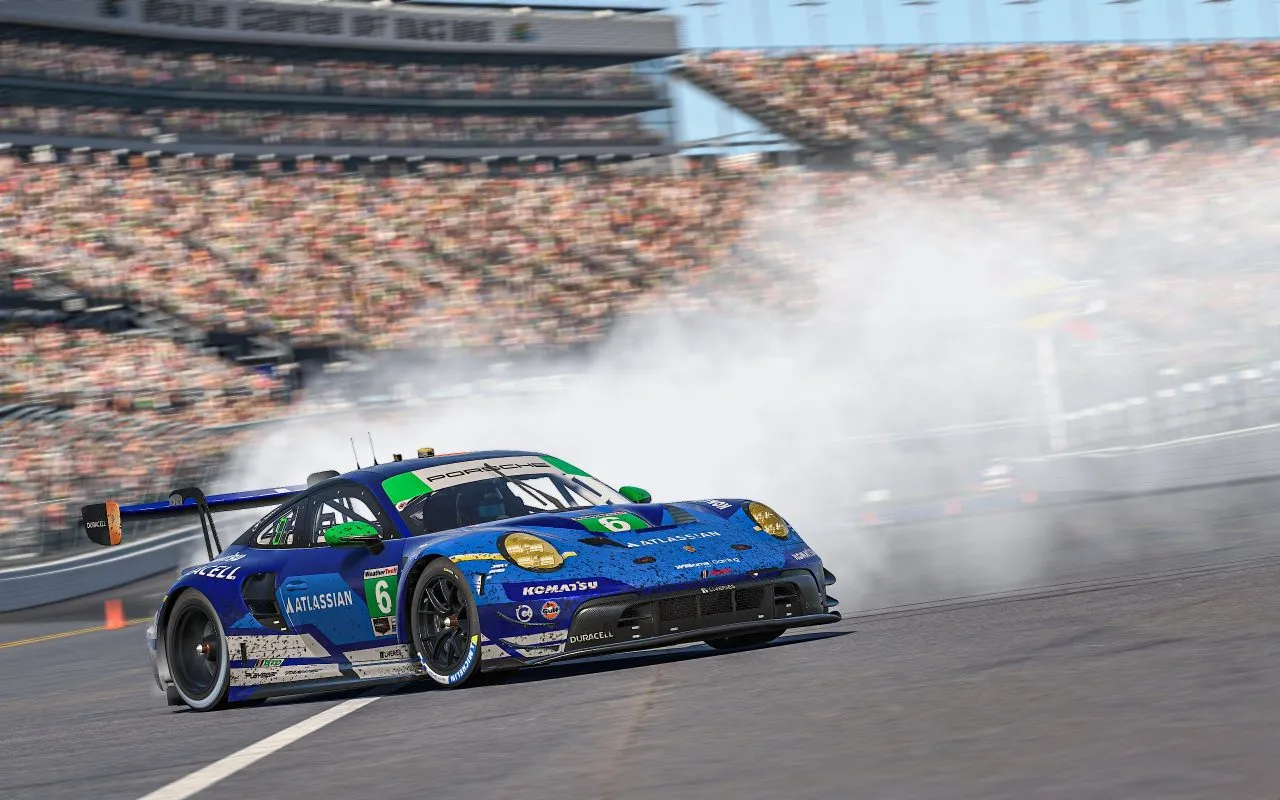
Then there is the classic overconfidence on corner exits. The temptation to accelerate decisively is always present, especially when you see open space ahead. But the tyres are not ready for that yet. Applying power aggressively on Lap 1 is one of the fastest ways to lose the car without warning. Here, the key is patience: open the throttle progressively, almost with the feeling of testing the available grip with every metre of asphalt.
It is also worth remembering that not all cars or tracks behave the same way. Every combination has its own warm-up pace, and assuming everything will work as it does on later laps is a common mistake. Observing, adapting, and above all not being drawn in by the pace of other drivers is essential. There is always someone who seems to be pushing the limit from the very first corner, but following them blindly usually ends in frustration, or a replay you would rather not watch.
Accept That Lap 1 Will Feel Uncomfortable
Perhaps the most important thing of all is accepting that Lap 1 is going to feel uncomfortable. The car does not respond the same way, the reference points are not exact, and everything seems slightly out of sync. And that is completely normal. The real problem is not that feeling itself, but trying to eliminate it through aggression. Driving with patience in those first moments is not giving up on competing, it is laying the groundwork to compete better in the laps that truly matter.

Lap 1 is less of a battle and more of a negotiation. You are not trying to extract maximum performance, you are building it gradually. While others force situations the car cannot yet handle, you have the opportunity to remain consistent, avoid mistakes, and capitalise on the errors of others. It is not the most spectacular way to gain positions, but it is one of the most effective ones.
In an environment like iRacing, where every small detail counts, that difference tends to matter more than it appears.
- Remember, you can join iRacing by clicking here.
See you on the track!
This website uses affiliate links which may earn a commission at no additional cost to you.