


iRacing has rolled out one of its most ambitious technical updates in recent years, delivering a comprehensive redesign of its physics and tire model that impacts both modern categories and historic content. From next-generation slicks to a deep overhaul of the IMSA Vintage class and the iconic Lotus 49, the simulator reinforces its commitment to technical accuracy and historical authenticity.
The result is not just improved driving feel, but a structural transformation in how cars interact with the asphalt, weather conditions, and setup configurations.
Next-Gen Tires and Chassis Revisions
At the core of the update is the introduction of the Next-Gen Slicks, a complete rebuild in terms of internal construction and compound design. The new model enables more realistic tire deflection and significantly improves feedback as drivers approach the limit of grip. The transition between adhesion and slip is now more progressive, offering greater control in critical situations.
At the same time, the GTE class now features fully functional wet tires, enabling mixed conditions with consistent performance in both dry and rainy scenarios.
From a structural standpoint, iRacing implemented:
- Rub blocks on front splitters and axle centerlines
- Softer tire spring rates
- Higher static ride heights
These changes alter each car’s aerodynamic platform, prompting minor Balance of Performance (BoP) adjustments to compensate for variations in rake and aero efficiency.
Virtual Dyno and 5-Post Shaker Rig: Engineering Inside the Simulator
As part of the validation process, the entire class underwent advanced virtual testing procedures.
Engine Dyno
Gear ratios from first through sixth were optimized to match each vehicle’s specific torque curve. The technical recommendation is clear: first adjust the Final Drive based on the track’s top speed, then fine-tune individual gears in +/- one-step increments to remain within the optimal power band.
5-Post Shaker Rig
Through a full frequency sweep analysis, the team evaluated tire forces and aerodynamic stability. The outcome is reflected in updated baseline setups that now include a damper “sweet spot” range, visible directly in the Garage. This range is designed to balance platform control with maximum mechanical grip.
Redesigned Garage: Faster, More Intuitive Adjustments
The setup experience has also received meaningful quality-of-life improvements:
- Simplified ride height adjustments: Ride height can now be adjusted directly without manually modifying spring perches or torsion bars. The simulator automatically recalculates associated values.
- Cleaner interface layout: The Chassis page now fits on a single screen, while Dampers have been moved to a dedicated tab.
- Linked left/right adjustments, reducing unnecessary clicks.
- New technical tooltips, including guidance for shift RPMs, LED light conditions, and recommended damper ranges.
IMSA Vintage: Audi 90 GTO and Nissan GTP ZX-T Reimagined

The IMSA Vintage class, a fan favorite within the community, receives significant upgrades to its two headline cars: the Audi 90 GTO and the Nissan GTP ZX-T.
Tires and Wet Performance
Both cars now feature the latest dry and wet tire models. The Nissan includes period-correct tire warmers, eliminating the need for extra caution on fresh rubber. The Audi, lacking tire warmers, compensates with its Quattro all-wheel-drive system, allowing drivers to better manage out laps.
Aerodynamics and Balance
Aerodynamic packages have been refined, improving the Audi’s high-downforce configuration and the Nissan’s low-downforce setup. Additionally, the Nissan received a comprehensive overhaul of its suspension, aero platform, and turbo boost to align with its authentic 1989 pace. While this makes the car roughly six seconds slower, it significantly enhances multiclass balance with the Audi.
Audi Gearbox Improvements
Shifting reliability and performance have been substantially improved. Using the clutch during upshifts now provides a performance benefit, accurately reflecting the behavior of a period-correct synchromesh gearbox.
Lotus 49: Modern Technology for a 1960s Legend
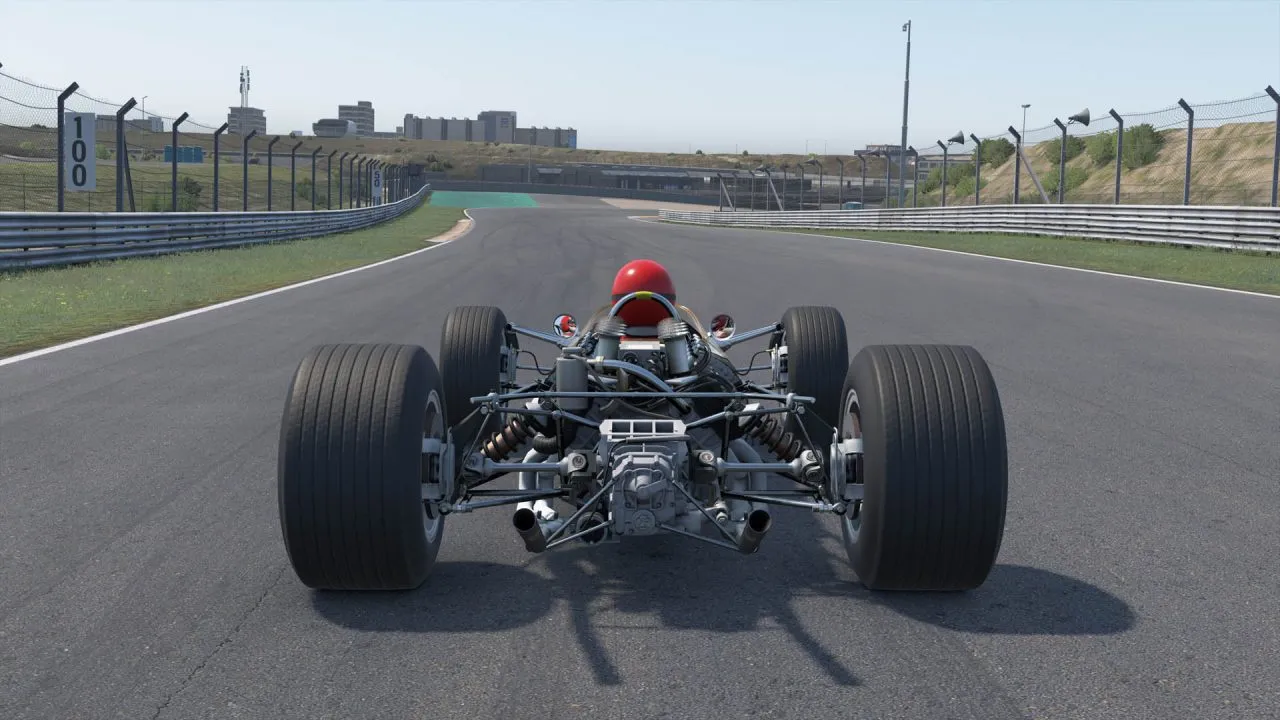
The historic Lotus 49 receives a long-awaited update, integrating iRacing’s latest physics advancements.
All-Weather Tires
The car now utilizes the newest tire model, capable of operating in both dry and wet conditions. However, as a period-correct all-weather tire, it lacks the specialized performance of a modern dedicated wet slick. Driving in heavy rain becomes a demanding yet highly rewarding challenge.
Suspension and Historical Correlation
The suspension system has been recalibrated to achieve near-perfect correlation between in-sim wheel rates and documented values from the late 1960s.
Authentic Braking
By implementing historic brake pad compounds and period-accurate caliper sizing, brake bias now mirrors how these cars were actually campaigned during their era.
Across the Audi, Nissan, and Lotus platforms, iRacing is doing more than updating content—it is reinforcing its mission to preserve motorsport history through modern physics and simulation tools.
- Remember, you can join iRacing by clicking here.
This website uses affiliate links which may earn a commission at no additional cost to you.