

Every new season in iRacing brings the same question with it: what’s actually worth buying?
The answer is never simple. iRacing remains one of the most complete simulation experiences on the market, but also one of the most demanding in financial terms. Choosing the wrong car or track can mean weeks with barely any options to race.
This guide is built specifically for 2026 Season 3, covering June, July, and August. Schedules can change slightly before they’re finalized, but overall participation and popularity trends tend to stay fairly stable.
The goal isn’t to tell you what you must buy, but to help you spend each euro more wisely.
Before spending money: make the most of the base content
One of the most common mistakes new drivers make is thinking they need to buy content from day one.
The reality is very different.
The Rookie categories offer plenty of racing hours to learn the fundamentals of sim racing without any extra investment.
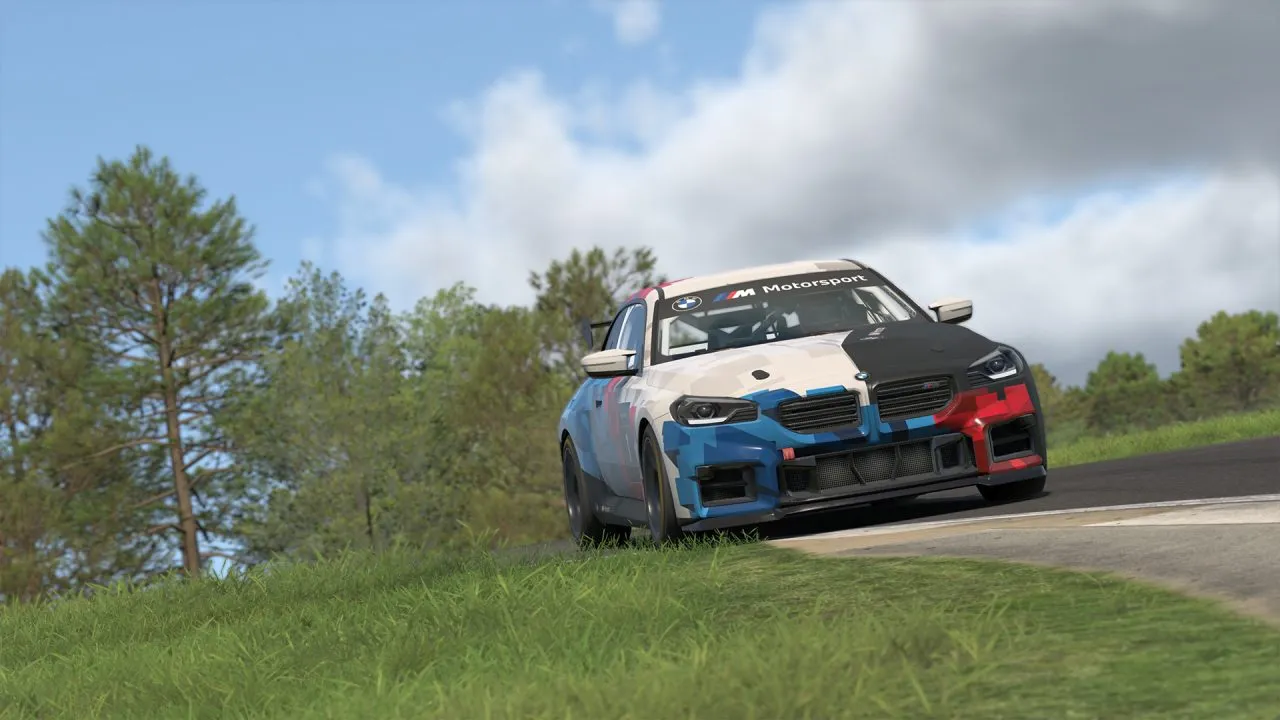
In touring cars and GT, the BMW M2 has become one of the most accessible options to get started. Its behavior is more predictable than previous generations and lets you focus on learning track lines and race management.
Meanwhile, the Mazda MX-5 is still a fantastic teacher, though it demands more finesse. On cold tires it can feel nervous, and it punishes weight-transfer mistakes.
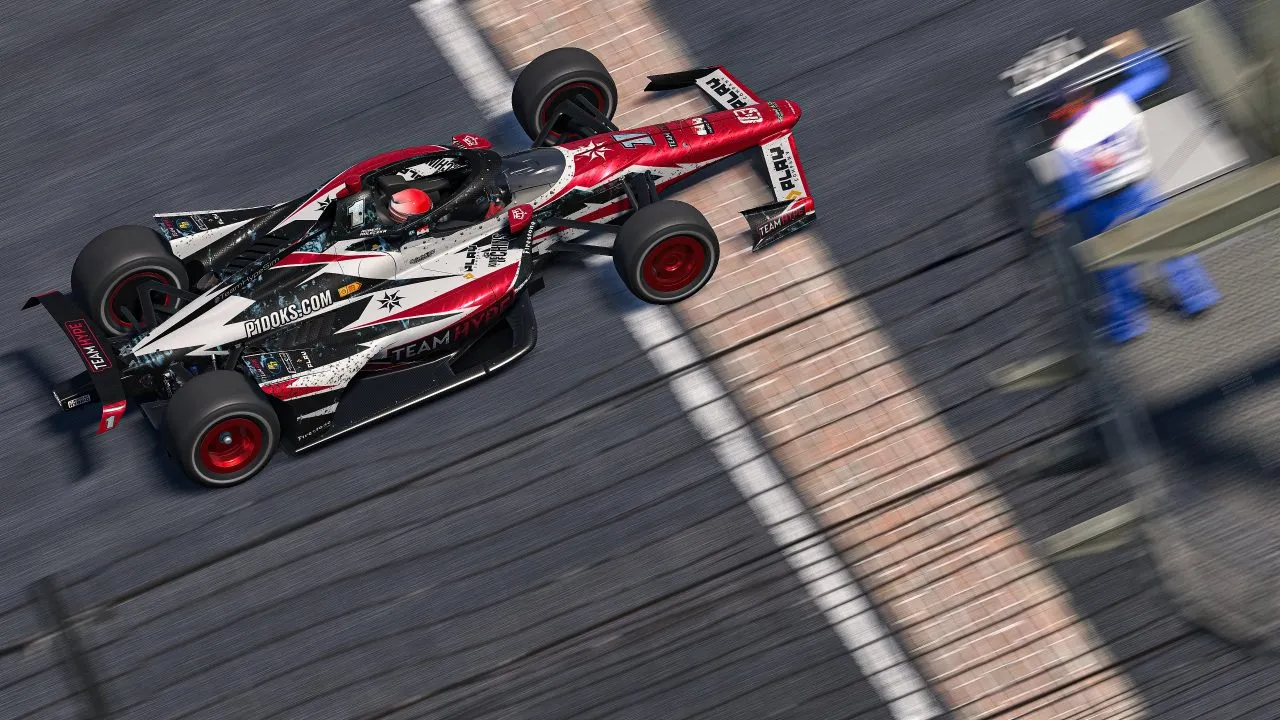
In open-wheel, the Formula 1600 remains an especially good choice for developing steering feel before stepping up to higher categories.
Class D: where the important decisions begin
Once you get past the Rookie license, the first key moment arrives: deciding where to go next.
If you don’t want to buy cars
There are several well-populated series that use vehicles included in the base content.
Some of the most interesting include:
- Toyota GR86 Fixed
- Production Car Challenge
- BMW M Power Challenge
- Global Challenge
The advantage is clear: you only need to invest in tracks and you’ll still have plenty of races available.
Looking at how often tracks repeat across categories, a handful clearly stand out from the rest.
The most useful ones to maximize this season are:
- Road America
- Spa-Francorchamps
- Suzuka
- Interlagos
- Mount Panorama
- Zandvoort
These tracks appear in multiple championships and tend to maintain high participation regardless of the category.
The best first car to buy
If the goal is to buy a single vehicle that pays off in the long run, the strongest candidate is the Ford Mustang GT4. The reason is simple. It’s not only usable in Class D, it remains useful later on in Class C thanks to the various GT4 categories available.

In terms of return on investment within the iRacing ecosystem, few cars offer this many opportunities for use.
What about the TCR cars?
The TCR class still has a stable community and races with solid participation.

Available options include:
- Audi RS3 LMS
- Honda Civic TCR
- Hyundai Elantra N TCR
- Hyundai Veloster N TCR
Performance differences usually depend heavily on each season’s Balance of Performance.
For that reason, the most sensible advice remains the same: pick the car you most enjoy driving.
Formula 4: the king category of Class D
Few categories generate as much activity as Formula 4. The mix of speed, accessibility, and packed grids makes it one of the most popular steps in the whole sim. However, there’s an important quirk.
Regional schedules barely share any tracks with each other.

This means buying a track for one series doesn’t guarantee you can use it in another F4 series during the same week.
For those looking to optimize purchases, it’s far more efficient to prioritize frequently used tracks such as:
- Mexico
- Barcelona
- Silverstone
- Spa
- Monza
These circuits will also show up later in higher categories.
How to earn credits without spending more money
Many drivers don’t realize that iRacing rewards consistent participation.
The system allows you to earn up to 10 dollars in credit per season, with an annual cap of 40 dollars to spend on the platform itself.
To qualify, you need to:
- Take part in at least 8 weeks of the same series.
- Complete a minimum percentage of the race.
- Compete in eligible championships.
It might seem like a small amount, but over several years it ends up funding a significant chunk of new content.
For those aiming to maximize these credits using free cars, the tracks with the best return this season are:
- Spa
- Road America
- Suzuka
- Interlagos
- Zandvoort
Class C: where specialization begins
From Class C onward, it’s hard to avoid buying vehicles.
This is also where some of the categories most loved by veteran fans show up.
Porsche Cup: a demanding driving school
The Porsche Cup 992 remains one of the most popular series on the license. Even with driving aids available, it’s still a demanding car.

Its handling rewards precise braking and punishes any overconfidence on throttle.
Many drivers agree it’s even harder to master than some modern GT3 cars.
The hidden appeal of LMP3
The LMP3 tends to surprise first-time drivers. On paper it looks like a small, relatively modest prototype.
On track, it’s a different story.

Its aerodynamic sensitivity and the traffic management involved in multiclass races make it one of the most rewarding cars for learning advanced driving.
The Nürburgring purchase that causes the most confusion
There’s a common point of confusion around the Nürburgring.
In reality, we’re talking about two separate products:
- Nürburgring GP
- Nordschleife
If a series only uses the GP layout, owning that track is enough. If it only uses the Nordschleife, you’ll only need the Green Hell. The problem comes when the schedule says Combined. In that case, you’ll need both pieces of content.

Precisely because of this, the Nürburgring tends to be one of the most worthwhile long-term investments for any enthusiast.
Class B and Class A: the GT3 era
If there’s one car that’s practically mandatory in iRacing, it’s a GT3.
The number of compatible categories is huge:
- GT3 Fixed
- GT3 Open
- Regional championships
- IMSA
- Special endurance events
Few purchases offer this much versatility.
Which GT3 should you choose?
The short answer is simple: try them before you buy. The personality differences between them are significant.

Some general trends:
- Aston Martin: very stable and approachable.
- BMW: comfortable and predictable.
- Ferrari: well balanced.
- Porsche: extremely rewarding once mastered.
- Audi and Lamborghini: more technically demanding.
There’s no universal answer.
The best GT3 will always be the one you feel comfortable in during a long stint.
Demo Drive: iRacing’s most underrated tool
There’s a feature many drivers discover far too late. During maintenance periods, iRacing activates the Demo Drive system, letting you try content you don’t own. What’s great is that it’s not just about cars. You can also try out tracks you haven’t bought yet. For any driver torn between several cars or tracks, this tool should be a mandatory stop before checking out.
Buy less, race more
After years of watching how iRacing’s content evolves, the conclusion remains the same. The best strategy isn’t to buy everything new that comes out. It’s to identify which categories you genuinely want to race throughout the season and build your purchases around them.
A popular car can open many doors. A recurring track can stay with you for years. And an impulse buy can end up collecting digital dust in your library. In a sim where every purchase carries a real cost, planning remains the most valuable tool of all.
- Remember, you can join iRacing by clicking here.
See you on the track!
This website uses affiliate links which may earn a commission at no additional cost to you.