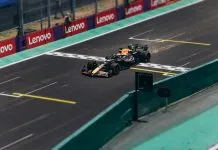


Simulator racing populates an interesting space within the gaming industry. While it may not be the loudest or flashiest game genre, it has gained a loyal following in recent years thanks to stunning graphics, focus on realism, and player-driven improvement. These games started as a niche hobby that required a steep learning curve. Simulator racing games were often hard to find and needed specialist hardware to be fully enjoyed and appreciated. Modern simulator racing games are very different, focusing on accessibility and pure driving experiences that any gamer can quickly grasp. Today, simulator racing games serve as a blueprint for how many other game genres are designed and played, influencing how modern games handle competition, immersion, and long-term engagement.
From Simulation to Mainstream Design
Simulator racing has made many contributions to the gaming world, with some of the most important contributions being innovative gaming controls and the development of realistic gaming environments. Developers of simulation racing games spend thousands of hours and millions of dollars on research and development to ensure physics models, tire behavior, fuel loads, and weather effects all work together to contribute to the most realistic digital driving experience. This detailed approach has changed the way developers from other genres consider how game mechanics interact.
Games across various genres, such as sports games, flight simulators, and even management titles, mimic sim racing’s system-first mindset, resulting in games that emphasize data, feedback, and informed decision-making. A prime example of a game genre using the systems-backed realism model is the iGaming industry. Many iGaming platforms, including single sign-in (SSI) platforms like Inclave casinos, offer realistic casino experiences in a digital format. From the moment players access an inclave casino login page to the moment they place their first wager, these platforms try to capture the essence of being in a physical casino. Games include bright flashing lights and immersive audio design, while also offering fast sign-in across multiple sites thanks to the SSI features and exciting bonus options.
Competitive Structure and Ranked Play
Sim racing games were based on popular real-life racing leagues like NASCAR and Formula 1. To ensure the most realistic racing experiences, sim racing games refined and perfected how digital competition should work long before ranked ladders became a standard in modern gaming. Rating systems based on performance and consistency were introduced, and players were ranked based on season wins. Having a ranking system separated clean racers from reckless ones and created a fair racing system based on strong community values.
Rank and tier systems soon spread across the gaming world, with first-person shooter like Call of Duty introducing ranking systems that would go on to be used in their international tournaments. Other genres like modern fighting and team-based esports titles also include ranking systems to ensure appropriate match-making in online game modes. Modern gaming match-making systems mimic sim racing’s balance between skill level and player behavior, rewarding improvement over wins. The result of this is online matches that feel more meaningful, where progress is measured over time.
Simulator Racing Games as Training Tools
The core of sim racing is the emphasis on practice. Many sim racing games include features such as time trials, replay analysis, telemetry overlays, and ghost laps. These features are designed to help players understand whether they are racing well or not. Emphasising practice and improvement highlights the broader theme of sim racing, which is to become a better racer over time, with the ultimate goal of being the best. A philosophy shared by many professional racing drivers, such as Lando Norris, who often use simulator racing setups to practice for upcoming races.
Again, other genres have taken inspiration from this approach by building in a focus on practice and improvement. Sports games like FIFA feature instant replays and detailed performance overviews. Included in these overviews are in-depth reports on team performance, player stats, and feedback on proposed training drills. First-person shooters, strategy, and management titles also share this approach by emphasizing post-match breakdowns and performance summaries.
Community-Led Development and Mod Culture
Another area where simulator racing has left an indelible mark is community involvement. Many sim racing titles include custom creation modes where players can build custom cars, liveries, and tracks. In addition to creation modes, there is a thriving market of third-party tools that allow players to create their own game mods that enhance the sim racing experience.
This collaborative mindset has caught on across the gaming world, with game communities from various genres establishing their own mod marketplaces for fantasy titles like Skyrim and The Witcher. The collaboration between development studios and players has also influenced early access models and live service games across PC gaming. Modern players now expect continuous updates, transparent communication, and a feeling that their feedback not only matters but is also heard.
Conclusion
The influence of simulator racing on the broader gaming industry has been a quiet yet important one. It has shaped the industry by introducing new features, game modes, and development philosophies that have given rise to some of the most popular gaming genres today. Modern games have benefited from the creation of competitive structures, training tools, and immersion that was pioneered in the sim racing world.
This website uses affiliate links which may earn a commission at no additional cost to you.