


A 20-minute sim race does not wait for a grand plan. The start, first defense, dirty-air lap, and bad exit can decide whether the race becomes controlled or messy. The driver who treats a sprint like hotlapping with opponents often spends too much time reacting.
Short races require perception before action. A Frontiers article on racecar driver training describes racing as a setting where drivers read possible actions, such as turning, overtaking, and defending, under tight time and space limits. That lens fits sim racing. The quick call matters because the car is fully committed by the time the brain finishes arguing.
Short-Horizon Calls Under Pressure
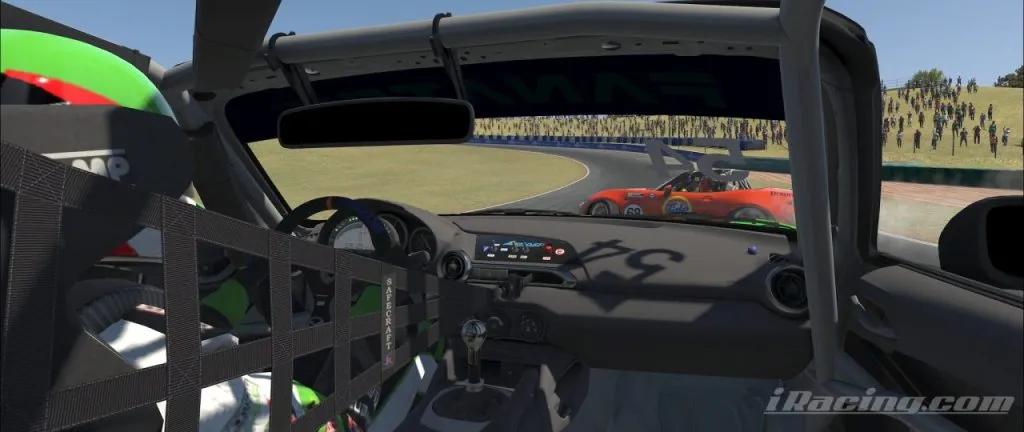
A short race becomes easier to manage when the driver stops judging everything by the final result. The better question is smaller: what has changed since the last corner? A car sliding on exit, a driver braking earlier than usual, or a gap opening in only one sector can reveal where the next chance to overtake may appear. That is often how pressure shows up before the position changes. The timing screen may still look calm, but the race underneath it is already moving.
Anyone who watches live sports knows that feeling. The score tells you where the event stands, but the next swing often starts with details that look minor at first: a team getting pushed deeper, a player losing rhythm, a faster pace, a tired defense, or repeated mistakes under pressure. Lucky Rebel is a sportsbook and casino site, and its sports section gives a clear example of how live events are followed once the action is already underway. At that point, the opening expectation is only background. The sharper read comes from pace, pressure, timing, territory, and whether the next few moments look different from the last few.
It takes time to learn how to read all these different cues, which is why following a site like Lucky Rebel can be so helpful to somebody new to this world. You’ll see what affects odds, how conversations shift, and which elements of the race have the biggest impact on outcomes, and in time, you’ll train your eye to look for these details first. This cuts out the noise and makes a race much easier to follow.
A 20-minute sim race asks for the same kind of attention. If the car ahead is struggling for traction, the move may be better two turns later. If the car behind is gaining on the straight, defending too early can damage your exit and create another problem. If your tires are overheating, releasing pressure for half a lap can keep the next fight under control. Good sprint racing is active, but it is not frantic.
The Lucky Rebel guide to live betting in real time develops that live event reading through visible momentum signs, such as shot quality, field position, serving rhythm, and pace changes. Sim racing has its own version of those signals. A rival missing apexes, correcting the wheel through fast corners, losing traction on exit, or gaining only in one part of the lap is giving you information before the overtake happens. Once you can read that pattern, the next choice becomes less emotional: attack now, wait one corner, defend the exit, or stop fighting and rebuild the run.
Lap 1 Is Not a Personality Test
The first lap tempts drivers into proving they belong. That is usually the wrong job. Cold tires, compressed braking zones, and uncertain closing speeds make the opening lap a filter for patience.
A clean lap 1 is not slow. It means the car exits the mess with straight steering, intact aero, and rhythm available. If two cars ahead are already fighting before a narrow corner, the best call may be to stay half a car length back and take the exit they are about to lose. If a rival lunges from too far away, leave room once, avoid contact, and judge them later. Sprint races feel short, but losing a little ground through caution is better than losing a lot of time to repairs or damage.
The Four Calls That Decide a Sprint
First, decide whether the position is worth defending. A faster car may be useful if it pulls you toward the group ahead. Fighting it for 3 laps can cost both of you.
Second, choose the corner that matters. Passing into a slow apex means nothing if the exit gives the place back. The best move is often made by compromising the other driver one corner before the pass.
Third, read tire behavior early. If the rear is sliding by lap 4, stop asking the car for qualifying rotation. Brake straighter, shorten the slide, and let the tires settle.
Fourth, know when a battle has become noise. Two drivers can lose a second arguing over one position while the next pack disappears. The better race is sometimes two corners ahead, not beside you.
When Holding Position Costs More Than It Saves
Defending feels active, so drivers often mistake it for control. In a short race, over-defending can lose more than the position you were protecting.
Watch what happens after a hard defense into a slow corner. The defending car brakes early, turns in shallow, picks up throttle late, and exits narrow. The attacking car may not complete the move there, but the next straight becomes easier. If a third car is close, the whole fight becomes heavier. Every lap spent in survival mode raises tire temperature, breaks rhythm, and gives the cars behind a cleaner target.
The better defense starts earlier. Place the car so the attacker has to choose a lower-quality option, then preserve the exit. If being overtaken is inevitable, make it happen where the loss is smallest. A calm lift before a bad corner can save the next five corners. That is race management.
A 20-minute race rewards drivers who keep asking what the next lap needs. Sometimes, it needs pressure. Sometimes, it needs clean air. Sometimes, it needs one quiet corner after a mistake. Correcting the emotional slide matters as much as correcting the car. Fast players can do several things quickly, but the better sprint racer learns which response should come first, a small form of action cascading and multi-component behavior.
This website uses affiliate links which may earn a commission at no additional cost to you.