


The driving simulator “Virtual Driving School” is officially launching on Steam on May 22 after a development journey that began more than ten years ago as an experimental virtual reality project for the DVSA, the UK government agency responsible for driving tests.
What initially started as a simple VR adaptation of the “hazard perception” system — the danger awareness test used in British theory exams — eventually evolved into a full driving simulator focused on learning and everyday practice. The project is being developed by the small UK-based studio CGA Studio Games and already has a public demo available on Steam.
From Educational Simulator to Full Driving Experience
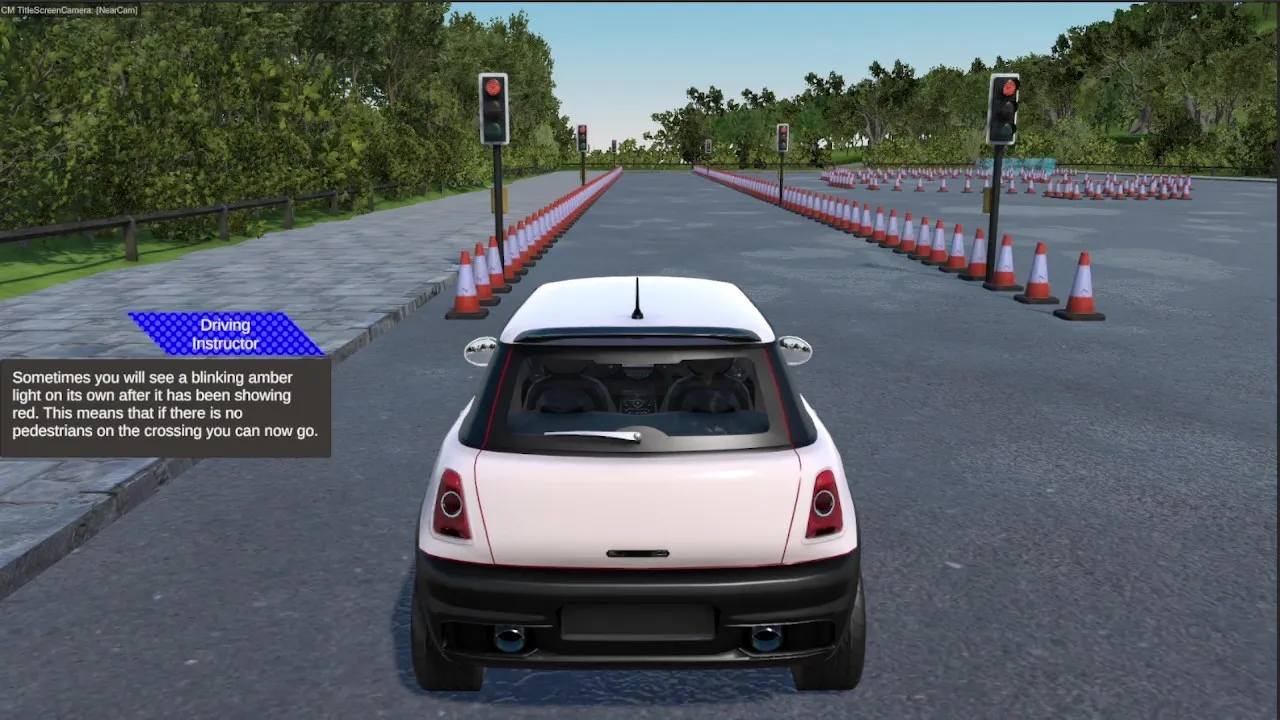
According to the developers, the original goal was to create a relatively small experience centered on bringing hazard perception testing into an immersive VR environment. However, the project gradually expanded into a far more ambitious simulator.
The result is Virtual Driving School, a title designed to teach and reinforce real-world driving skills for new drivers or users looking to practice outside of expensive traditional lessons.
Unlike the more competition-focused simulators commonly associated with sim racing, the experience here is entirely built around everyday driving and road education. Scenarios recreate urban environments, standard roads, and typical traffic situations, with realistic speed limits that rarely exceed 70 mph.
Regional Driving Rules and Flexible Road Systems
One of the simulator’s standout features is its ability to adapt to regional driving regulations and traffic layouts. Players can switch between left-hand and right-hand driving, with mirrors, lane flow, and road priorities dynamically adjusted depending on the selected region.
The game also includes dedicated regional presets for the United States, United Kingdom, European Union, and Australia/New Zealand, complete with localized road signs, traffic rules, and speed limits.
According to the developers, roundabouts, highway ramps, lane merges, and filtering systems are also tailored to match each region’s driving standards, reinforcing the educational side of the experience.
Wheel Compatibility and VR Support From the Beginning
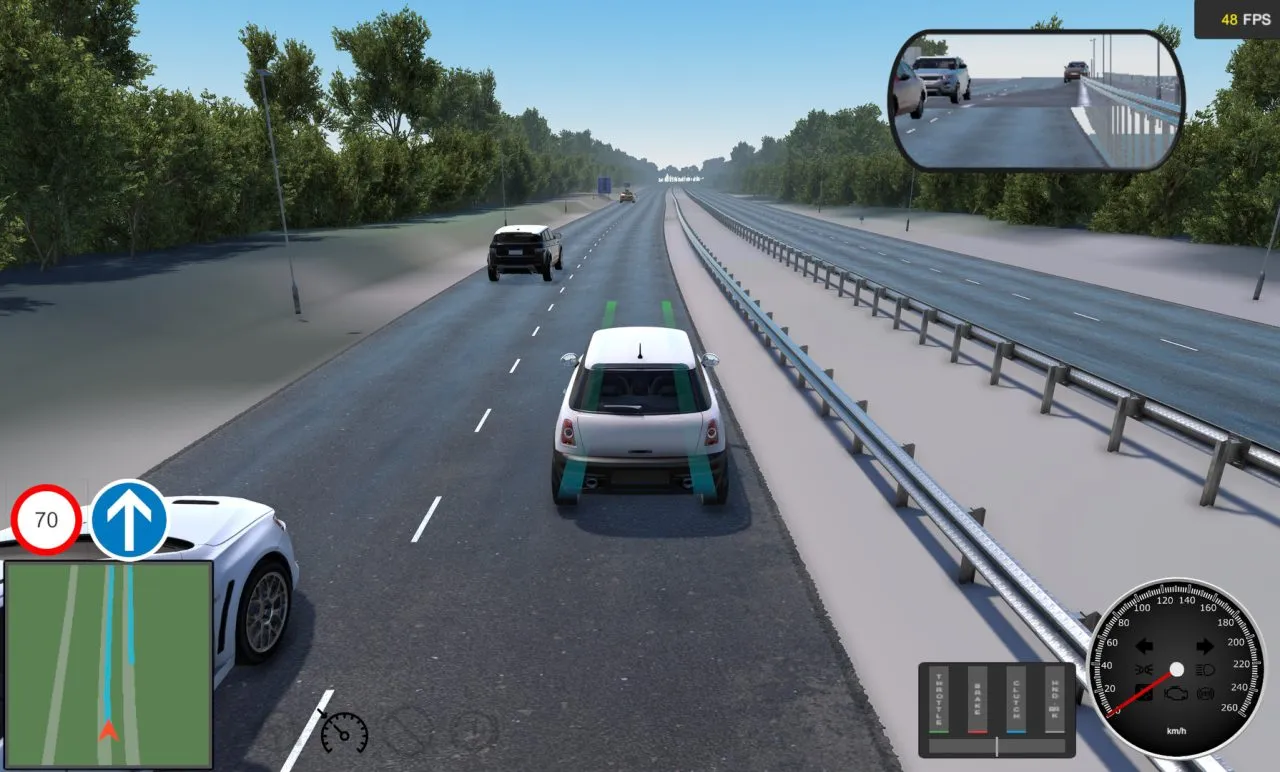
Although the project originated around virtual reality, the developers say most users will likely end up playing on a traditional monitor. VR support remains a core part of the game’s identity, but it will not be required to enjoy the experience.
On the hardware side, the studio confirmed compatibility with several popular sim racing peripherals, including the Logitech G29, Thrustmaster T128, Thrustmaster T300, and multiple ecosystems from Fanatec.
In addition, the simulator includes support for manual transmission and clutch operation, an important feature considering much of the experience is focused on replicating real driving situations and authentic learning processes.
Driving Modes Focused on Learning and Practice
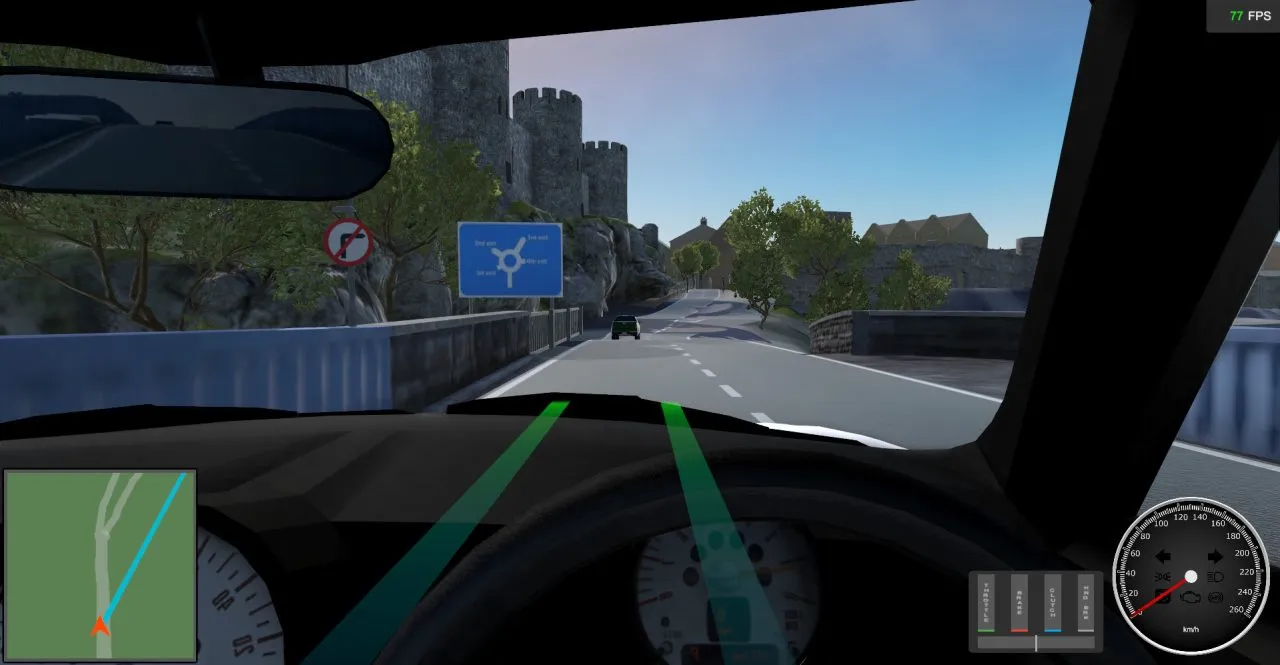
Virtual Driving School includes several gameplay modes designed around skill progression and practical learning.
The Tutorials and Lessons mode offers short, structured exercises focused on helping players master individual driving techniques. Meanwhile, the Tests and Licenses mode introduces longer 30 to 40-minute evaluated drives featuring hazards, dynamic route variations, and scoring systems.
Passing these driving tests unlocks additional activities such as Taxi, Delivery, and Bus modes.
The game also features Guided Drives, which combine hazards, road types, and weather or traffic conditions into shorter 5 to 10-minute driving sessions. Players looking for a more relaxed experience can use Free Drive mode to practice freely across cities, rural roads, and highways.
Additional Taxi and Delivery modes introduce objective-based gameplay where players can earn tips or complete deliveries while dealing with realistic cargo physics and vehicle behavior. Some of these activities require players to obtain in-game licenses before accessing them.
The project could be especially appealing to new drivers, students preparing for their license exams, or even players interested in a more relaxed and educational approach to automotive simulation.
The demo is already available to download on Steam, while the full release is scheduled for May 22.
This website uses affiliate links which may earn a commission at no additional cost to you.





I have a VR Sim Rig I put together for racing, ‘cockpit’ with thrustmaster force feedback wheel, haptic shifter and pedals, etc. Working with a PC and Quest 3. Will this integrate to those?
I have also read early reviews about issues with wheels and calibration which give me pause, are upgrades to the first release planned or addressed? Thank you.
I guess you should ask developers those questions 🙂