


For years, buying a video game was a simple act. You walked into a store, browsed the shelves, picked a box, opened it on the way home, and there it was: a disc, a cartridge, something physical. Something yours. There was no need to read ten pages of legal terms or wonder whether it would still work a few years down the line. You could keep it, lend it, sell it, or store it away the way you would a book, a film, or a memento of an era.
That silent pact between player and object is breaking down. And the most unsettling part is that it isn’t breaking all at once, but gradually, almost politely. First came mandatory downloads. Then day-one patches. Later, physical editions with only half the game inside. Now a far more aggressive phase is beginning: boxes containing nothing but codes, discs that hold barely any data, and cards that serve only as keys to download something that actually lives on someone else’s servers.
Physical video games are not disappearing by accident. They are being replaced by a model in which consumers pay the same but control far less.
The industry tends to frame this transition as a natural response to modern habits. People prefer downloading, we’re told; discs take up space; digital is more convenient, faster, cleaner. Part of that is true. Many people already buy digitally out of habit, because of flash sales, or for the ease of keeping an entire library in a single account.
But telling only that part of the story would be naive. Convenience exists, yes, but so does a much deeper economic motivation. A game sold in a physical store involves manufacturing, shipping, warehousing, retailer margins, and the possibility of resale. A game sold through a closed digital storefront eliminates almost all of that. The money passes through fewer hands and ends up concentrated in the platform and the publisher.
The disappearance of the disc is not just a technological evolution. It is a reorganization of power.
When a game is sold exclusively in digital form, there is no real price competition from physical retailers. There are no stock clearances, no second-hand market, no lending between friends, no trading. The platform decides when prices drop, how long a sale lasts, and what happens to your access if an account is suspended, blocked, or simply left stranded by changes to the service.
The New Physical Box That No Longer Contains Ownership
One of the most symbolic changes is the rise of code-in-a-box editions. At first glance, the product looks the same as ever. It sits on a shelf, it has cover art, it takes up space, and it costs as much as a premium release. But when you open it, there is no disc. Just a slip of paper with a download key.
The scene feels like a magic trick in reverse. The box used to contain the game. Now it contains a promise. A single-use key that gets tied to an account and, from that moment on, can never be resold or lent. The packaging preserves the nostalgia of the physical format, but the contents belong entirely to digital logic.
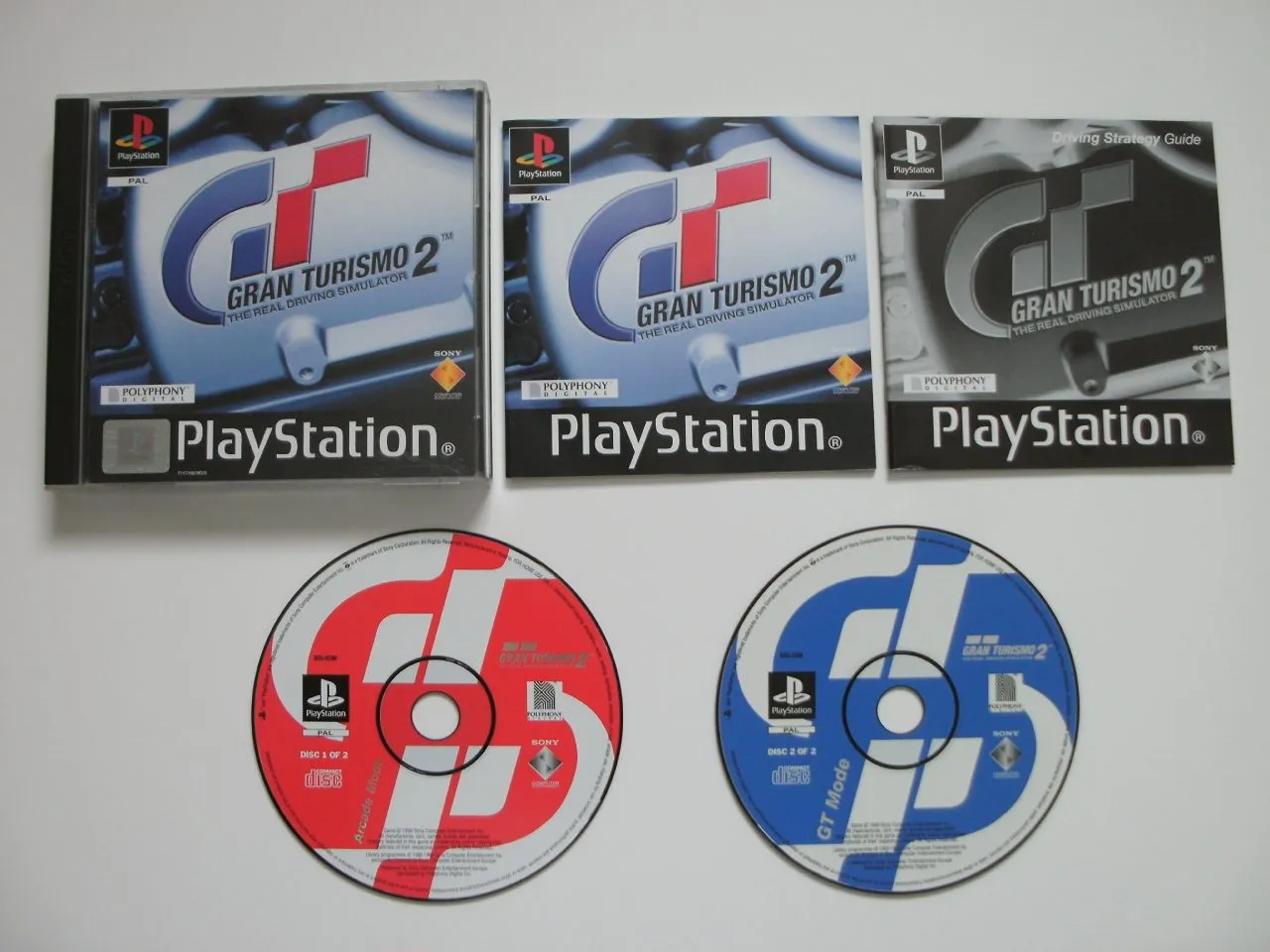
The problem is not just sentimental. It is practical and economic. Anyone who buys an edition like this immediately loses all resale value. If they regret the purchase, if they don’t enjoy the game, if they need to sell it, they simply can’t. The store keeps the appearance of the old market, but the consumer no longer receives the rights that market used to offer.
The industry has found a way to keep the visibility of physical products without delivering the real benefits of physical ownership.
Discs That Work as Keys
There is another, even more confusing model: the disc that exists but does not contain the full game. In some recent releases, the physical media includes only a small amount of data. The console recognizes the disc, starts the process, and then forces you to download practically everything you need from the internet.
For the average buyer, the difference may not be obvious on launch day, as long as they have a connection and the servers are up. But the value of a disc is not measured only in the present. It is also measured by what it guarantees tomorrow. A complete disc can survive digital storefront closures, server shutdowns, and corporate upheaval. An empty or incomplete disc becomes, over time, a decorative object.
This directly affects cultural preservation. Video games are no longer just fast-moving consumer products. They are creative works, technical documents, pieces of collective memory. If they depend entirely on external servers, their survival is subordinated to business decisions that may be made years later, in a boardroom, with the public having no say at all.
Even companies historically associated with cartridges and collecting have started experimenting with hybrid formulas. Game-key cards are a clear example. They look like a cartridge, they slot into the console, and they allow a degree of resale, but they do not contain the full game. They exist to authorize access to a download.
It’s a strange middle ground. Better than a simple single-use code, because a transferable object still exists. Worse than a traditional cartridge, because without download servers the game cannot be rebuilt. The consumer keeps part of the old ritual but loses the autonomy that made it valuable.
The physical future being sketched out isn’t always physical. Sometimes it’s just a password shaped like an object.
Most importantly, there are still games proving that another path is possible. Some recent releases have shipped on complete discs, playable from start to finish without a mandatory connection. We have also seen lovingly crafted editions of independent games that include the full content, printed materials, and a clear respect for collectors.
These cases matter because they dismantle a frequently repeated claim: that complete physical formats are no longer viable. They are. They may require more planning, more quality control before manufacturing, and more willingness to respect the finished product. But they are not impossible.
The problem, then, lies neither in disc capacity nor in some insurmountable technical barrier. It lies in corporate priorities. For many major publishers, shipping first and finishing later is more profitable than locking down a solid final version before sending it to the factory.
Buying No Longer Always Means Buying
At its core, this entire transformation revolves around one word: buying. For decades, buying meant acquiring something. Today, in the digital environment, it often means obtaining a limited, conditional, revocable license.
The nuance seems small, but it changes everything. If what you hold is a license, the company can modify the terms, remove content, shut down servers, or block access. Consumers feel they have bought a library, but legally they may have accepted something far more fragile: permission to use.
A digital library can look enormous, but if it depends on an account and a closed storefront, its stability is far weaker than it appears.
This becomes especially delicate on consoles, where the openness found on other platforms does not exist. If one platform controls the store, the operating system, the account, the pricing, and license validation, freedom of choice shrinks to almost nothing. Players cannot install a different store or move their purchases freely. Everything stays inside a walled garden.
The disappearance of physical formats would have one immediate consequence: the official store would become the only way in. Not a convenient option, but the only real option.
In that scenario, price competition weakens. Traditional retailers stop applying pressure with discounts. The second-hand market vanishes. Used copies, which for years made games accessible at lower prices, cease to exist. Prices stop aging naturally and start depending on promotional calendars controlled by the platform itself.
This explains why investigations and lawsuits over digital commissions have gained so much importance. When a company charges a high commission within an ecosystem that has no alternatives, that commission doesn’t stay isolated. It is passed on to the final price. And if consumers have nowhere else to buy, market freedom becomes a fiction.
Preservation as Resistance
Amid this process, defending physical formats is not merely nostalgia. It is also a form of cultural resistance. People asking for complete discs are not asking to return to the past on a whim. They are asking for works to be able to keep existing once they are no longer profitable. They are asking to play without needing permission. They are asking for a purchase not to evaporate because of a server shutdown.
Consumer advocacy movements have focused attention on a reasonable question: when an online game reaches the end of its commercial life, the company shouldn’t be forced to maintain servers forever, but it should leave a way out. An offline mode, community tools, or a functional final version. Something that prevents a work paid for by millions of people from vanishing as if it had never existed.
The legal response is still insufficient. Consumer regulations are advancing, but they often move more slowly than corporate strategy. Product conformity is protected, more transparency is demanded, and the language of digital purchasing is starting to be questioned. But the big question remains open: what rights does a person retain when the product they paid for depends on infrastructure they do not control?
The final image is an uncomfortable one. Players used to own a collection. Today, more and more, they resemble tenants. They pay to get in, pay to stay connected, pay to keep access, and accept terms that can change at any time.
The video game industry is not simply moving toward digital. It is moving toward an ecosystem where possession is replaced by access, resale by dependency, and preservation by temporary availability. Many people may not notice right away. The game downloads, boots up, and runs. But the real cost appears later, when it can no longer be lent, sold, installed offline, or rescued from oblivion.
The question is no longer whether the future will be digital. The question is who will control that future.
If physical video games disappear as we knew them, we won’t just lose discs and boxes. We will lose an essential part of the relationship between a work and its audience. We will lose the ability to keep an era on a shelf and know that, as long as the media works, that work will still be there. Not as a service, not as a permission, not as a promise. As something of our own.
This website uses affiliate links which may earn a commission at no additional cost to you.